
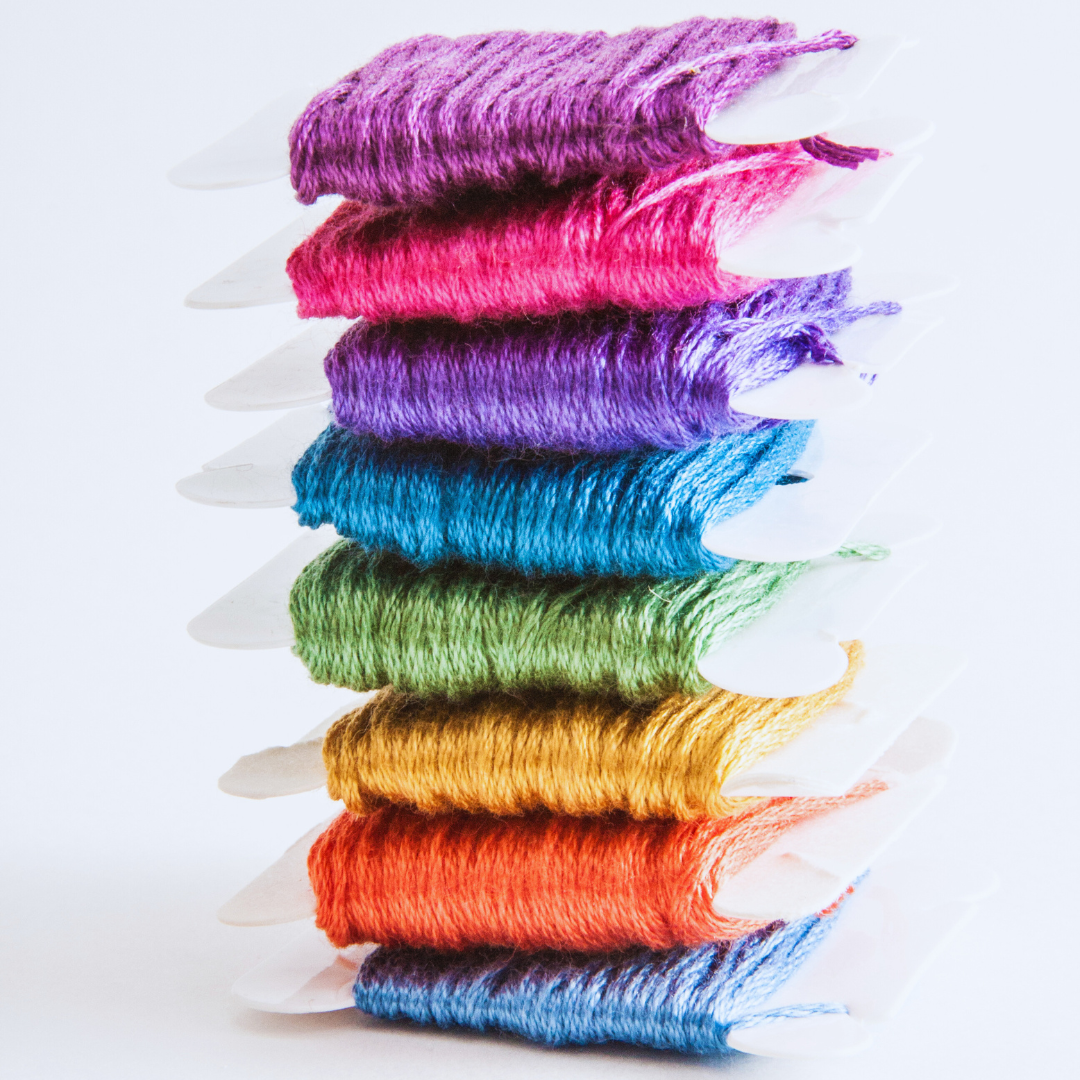
Choosing the right embroidery thread depends on the type of fabric, the desired finish, and the project’s purpose. The best thread balances strength, colorfastness, and texture to create a durable and visually appealing embroidery.
Different kinds of threads—cotton, polyester, rayon, metallic—each serve specific needs, so understanding their properties helps in making the right choice. This guide explains how to match thread types with your unique embroidery project for optimal results.
Understanding Embroidery Thread Types
Embroidery threads differ in material, durability, and finish, impacting the outcome of your project. Knowing these differences helps select the best thread to match fabric type, design complexity, and desired appearance.
Cotton Embroidery Thread
Cotton thread is a natural fiber preferred for its matte finish and soft texture. It works well on natural fabrics like cotton, linen, and muslin, offering a classic, handcrafted look.
This thread is breathable and has minimal sheen, making it ideal for vintage or rustic designs. It tends to shrink slightly when washed, requiring consideration for garment care. Cotton thread is less strong compared to synthetic options and can break under heavy machine embroidery or intense tension.
Available in a wide range of colors, cotton thread dyes easily, though it may fade faster in sunlight. It’s often favored for hand embroidery and light machine work where softness and texture matter.
Rayon Embroidery Thread
Rayon thread is synthetic but derived from natural cellulose, known for its vibrant sheen and smooth finish. It has a high luster that catches light, making designs stand out with brightness and color intensity.
It is softer and less durable than polyester, so it works best for decorative items not subjected to heavy wear or frequent washing. Rayon’s smooth finish allows for less thread breakage in machine embroidery, but it can fray more easily.
Colors are rich and varied, stable enough for most home embroidery machines. Rayon threads are popular for floral designs and detailed work requiring fine, glossy thread.
Polyester Embroidery Thread
Polyester thread is strong, durable, and resistant to shrinking and fading. It is a synthetic option best suited for heavy-use items like uniforms, sportswear, and towels.
This thread combines strength with a moderate sheen, making it versatile for both decorative and functional embroidery. It resists heat and chemicals, which ensures longevity even with frequent washing.
Polyester threads hold their color well under UV exposure, unlike many other threads. They are slightly less glossy than rayon but outperform it in terms of durability and stretch resistance.
Silk Embroidery Thread
Silk thread is prized for its natural sheen, softness, and luxury finish. It is smooth and lightweight, producing finely detailed, high-quality embroidery with rich color depth.
Though expensive, silk offers excellent tensile strength and drapes well with the fabric. It performs best on special projects, heirlooms, or couture garments not subjected to rough handling.
Silk thread requires careful storage to avoid damage from moisture or insects. It is less common but highly valued by professional embroiderers for its elegance and distinction.
Essential Criteria for Selecting Embroidery Thread
Choosing embroidery thread requires attention to key factors that affect the quality, appearance, and longevity of your project. Understanding thread weight, surface texture, and color stability ensures the thread meets your design and fabric needs.
Thread Weight and Thickness
Thread weight indicates the thickness and strength of the embroidery thread. It is often measured by numbers like 40, 30, or 60, where a higher number means finer thread. For detailed work, finer threads (weight 60 or higher) provide precision without bulk.
Thicker threads (weights 30 or 40) add texture and are better for bold, visible stitches. Consider the fabric weight too; heavy fabrics need strong, thicker threads to avoid breakage. Light fabrics pair well with finer threads to prevent puckering.
Matching thread weight to both fabric and stitch type is important for durability and achieving the desired stitch definition.
Thread Finish and Sheen
Thread finish affects the final look of embroidery. Common finishes include matte, glossy, and metallic. Glossy threads reflect more light, making colors pop and enhancing visual appeal.
Matte threads reduce shine and work well for subtle, textured designs. Metallic threads give a sparkling effect but can be less durable and harder to work with because they may fray.
The choice depends on the desired design effect and compatibility with the fabric. Testing finishes on fabric scraps is recommended to see how the thread responds to stitching and light.
Colorfastness and Fading Resistance
Colorfastness measures a thread’s ability to retain color after washing, sunlight exposure, or friction. High-quality polyester threads typically resist fading better than cotton or rayon.
Fading resistance is crucial for projects exposed to frequent washing or sunlight, such as clothing or home textiles. Threads with poor colorfastness will dull quickly, impacting the garment’s appearance.
Look for threads labeled “colorfast” or “UV resistant” when long-lasting vibrancy is required. Always pre-wash fabric to avoid shrinkage or color bleeding after stitching.
Matching Thread to Embroidery Projects
Selecting the right thread involves considering the stitching method, fabric type, and design complexity. Different thread fibers and thicknesses perform variably depending on the project’s specifics.
Choosing Thread for Hand Embroidery
Hand embroidery benefits from threads that offer smooth tension and vibrant colors. Cotton floss is a popular choice due to its softness and the ability to separate strands for fine detail work. Silk thread provides a natural sheen but can be slippery and requires careful handling.
For durable projects, polyester or rayon threads are ideal as they resist fading and breakage better than cotton. Thickness matters: stranded cotton floss usually comes in 6-ply, allowing customization. Heavier threads suit textured stitches, while finer threads work for intricate patterns.
Always match thread weight to fabric weave tightness. Lightweight fabrics need finer threads to prevent distortion, while sturdy fabrics can handle thicker threads.
Choosing Thread for Machine Embroidery
Machine embroidery demands threads with consistent strength and minimal lint. Polyester threads are favored because they resist heat and are colorfast, crucial for the machine’s speed and needle friction. Rayon threads are chosen for their glossy finish, but may wear faster.
Thread weight typically ranges from 40 to 60 wt; 40 wt is standard for most designs, balancing durability and sheen. Use a thread designed for machines to avoid frequent breakage or jamming.
Colorfastness and resistance to pilling are critical since the thread undergoes rapid needle penetration. Using a thread that matches the stabilizer and fabric ensures clean stitches and prevents puckering.
Selecting Thread for Mixed Techniques
Projects combining hand and machine embroidery require versatile thread choices. Optical matching of thread sheen and color between hand and machine threads maintains design consistency. Rayon or polyester threads can serve both methods with similar luster.
Thread weight selection leans on the most delicate technique in the mix. For example, if detailed hand embroidery overlays machine work, finer threads improve detail without bulk.
Testing thread compatibility on fabric samples is essential to check for color bleeding and stitch tension balance. Prioritize thread strength for machine portions and softness for hand sections to optimize results.
Assessing Thread Quality
Quality assessment of embroidery thread focuses on strength, smoothness, and resistance to tangling or fraying. These factors influence stitching precision, durability, and ease of use.
Evaluating Thread Strength
Thread strength determines how much tension the thread can withstand during stitching without breaking. Strong threads reduce the risk of frequent breaks, especially in dense or detailed embroidery patterns.
To test strength, consider tensile force and abrasion resistance. Polyester threads typically offer higher tensile strength than cotton. Manufacturers often provide strength ratings or test results, which can guide selection.
A stronger thread maintains stitch integrity over time, preventing issues like skipped stitches. Choose a thread strength that matches the fabric’s weight and the machine’s capabilities to avoid damage.
Smoothness and Consistency
Smooth thread allows for consistent stitching and fewer interruptions. Variations in thickness or texture can cause uneven stitches or machine jams.
Key indicators include surface finish and uniform diameter. Silk threads are known for exceptional smoothness, while some synthetic blends are engineered to minimize friction.
Check for a lustrous sheen and a consistent twist along the entire spool. These traits improve thread flow through the needle and fabric, enhancing stitch quality.
Tangle and Fray Resistance
Threads prone to tangling or fraying lead to stitch breakage and uneven embroidery. Resistance to these issues depends on the fiber type, coating, and manufacturing techniques.
Look for threads treated with anti-fray finishes or bonded polyester varieties for durability. Cotton threads tend to fray more easily than synthetics.
Proper packaging and storage also impact tangling. Quality thread spools are wound tightly and uniformly, reducing the risk of knots and snarls during use.
Considering Fabric and Design Compatibility
Choosing the right embroidery thread depends heavily on how the thread interacts with the fabric and the complexity of the design. Different fabrics demand specific thread types and weights to ensure durability and visual harmony. Designs with fine details require threads that maintain precision without overpowering the fabric’s texture.
Blending Thread with Fabric Types
Different fabrics require matching thread properties for optimal results. Cotton fabric pairs well with cotton or polyester embroidery threads, as they share similar stretch and weight characteristics. Using a heavier thread on lightweight fabrics like chiffon can cause puckering or distortion.
Consider the fabric weave and texture: smooth fabrics allow for finer threads, while rougher, textured fabrics often need stronger, thicker threads for durability and visibility. For example:
| Fabric Type | Recommended Thread | Notes |
| Cotton | Cotton or polyester | Good balance of strength & feel |
| Silk | Rayon or silk | Maintains soft sheen |
| Denim or canvas | Polyester or nylon | High durability required |
| Synthetic knits | Polyester | Offers stretch compatibility |
Matching thread fiber and fabric fiber also reduces friction and wear, extending the lifespan of the embroidery.
Impact on Intricate Designs
Intricate embroidery requires threads that offer consistent thickness and smoothness. Fine, detailed designs benefit from high-quality rayon or polyester threads that produce sharp outlines and clear, clean stitches. Thick or textured threads can mask small details and produce uneven lines.
Thread tension and stitch density must be adjusted to prevent puckering in complex patterns. Lightweight threads reduce fabric stress and keep the design flat.
Color contrast matters: high contrast helps intricate designs stand out, but too stark a difference can overshadow fine elements. Combine subtle shading with thread color to enhance depth without overpowering.
Specialty and Decorative Embroidery Threads
Specialty embroidery threads enhance projects by adding texture, shine, and color shifts that standard threads can’t achieve. These threads require specific handling and are chosen based on the desired visual effect and fabric compatibility.
Metallic and Glitter Threads
Metallic threads are made from a core wrapped in a metallic film, offering a reflective, shiny finish. They come in gold, silver, bronze, and other metallic hues, ideal for adding luxury or sparkle to designs. These threads are stronger when sewn with a slightly looser tension to prevent breakage.
Glitter threads contain tiny particles that create a sparkling effect. They are less flexible than standard threads, so using a needle designed for specialty threads can reduce fraying or snapping. Both metallic and glitter threads work best on stable fabrics, as stretchy materials can cause distortion.
Variegated and Ombre Threads
Variegated threads shift color gradually along the strand, creating a multicolor effect within a single stitch. This thread type is excellent for adding depth and interest to floral or natural-themed embroidery.
Ombre threads fade smoothly from one color to another over the length of the thread, producing subtle, blended hues. They require careful planning to maximize the gradient effect. Both thread types work well with large motifs where color transitions can be appreciated.
Care and Maintenance of Embroidery Thread
Proper storage and careful handling extend the life and quality of embroidery thread. Avoid exposure to conditions that degrade the thread’s strength, color, or texture.
Proper Storage Practices
Keep embroidery thread away from direct sunlight and humidity. UV light can fade colors, while moisture promotes mildew and weakens fibers.
Store threads in airtight containers or sealed plastic bags. Using bobbin boxes, thread racks, or clear organizers helps prevent tangling and dust buildup.
Label storage containers clearly with thread type and color numbers. This practice saves time and reduces unnecessary handling, which can cause fraying.
Avoid storing thread near heat sources or in damp areas like basements. Ideal storage places are cool, dry, and well-ventilated.
Handling and Preparation Tips
Always wash your hands before handling thread to prevent oils and dirt from transferring. Handle the thread gently to avoid stretching or snagging.
Cut thread ends cleanly with sharp embroidery scissors to prevent fraying. Avoid pulling the thread too tightly during stitching, as this can cause tension issues and breakage.
Separate strands before threading needles to reduce knots and tangles. Use thread conditioners or beeswax to help minimize static and tangling, especially with polyester or rayon threads.
Wind thread loosely onto bobbins or spools for use. Tight winding can increase tension, causing breakage during stitching.
Sourcing Quality Embroidery Thread
Finding reliable sources for embroidery thread involves identifying brands known for consistency and matching costs to thread performance. Knowing where to buy quality thread and how to assess price versus value can save money and improve project results.
Trusted Brands and Suppliers
Choose embroidery thread from established brands such as Madeira, Isacord, and Sulky. These companies offer consistent colorfastness, strength, and a wide color range. Availability through authorized dealers or verified online stores helps avoid counterfeit products.
Local craft stores often carry these brands, but online specialty shops provide more extensive selections. Look for suppliers that guarantee thread authenticity and offer clear return policies. Reviews from other embroiderers provide insight into product reliability and supplier service.
Evaluating Price and Value
Higher-priced threads typically use better fibers, offering greater durability and consistent stitching. Polyester thread balances cost and performance; specialized threads like rayon or metallic may cost more but offer unique finishes.
Avoid the cheapest brands, which may fray or break during stitching. Consider thread weight, fiber type, and sheen when comparing prices. Sometimes paying slightly more upfront reduces thread breaks and poor finishes, saving time and thread in the long run.
| Factor | Effect on Value |
| Fiber quality | Affects durability and appearance |
| Thread weight | Influences the thickness and coverage |
| Brand reputation | Indicates consistency and support |
| Price per spool | Reflects quality and manufacturing |
Conclusion
Choosing the right embroidery thread depends on multiple factors such as fabric type, project durability, and desired finish. Understanding the differences between thread materials like cotton, polyester, and rayon will guide your decision.
Consider thread weight and colorfastness to ensure the final product maintains its quality over time. For instance, polyester threads offer strength and resistance to fading, making them suitable for frequently washed items.
It helps to test threads on a scrap piece of fabric before committing to a large project. This small step can prevent issues with tension, color bleeding, or thread breakage.
Use the following checklist when selecting a thread:
- Material: Matches fabric and project requirements
- Color: Complements design and resists fading
- Weight: Fits needle size and desired stitch density
- Strength: Withstands wear and laundering
Keeping these points in mind will lead to better results and a more satisfying embroidery experience. Accurate thread choice saves time and resources, helping you achieve clean and lasting designs.