
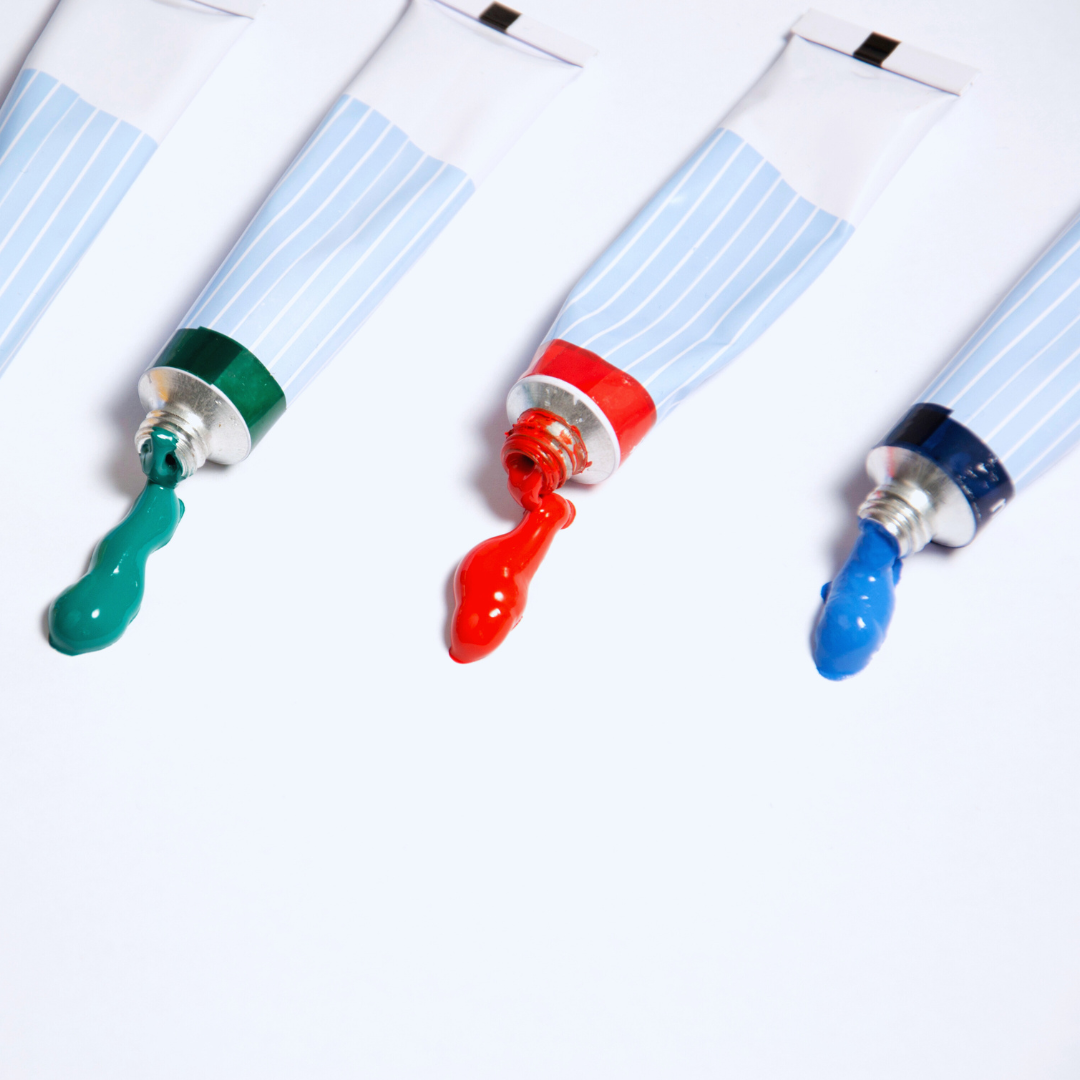
Chalk paint and acrylic paint are two popular choices for DIY projects and furniture makeovers, but they serve different purposes. Chalk paint is known for its matte, chalky finish and excellent adhesion without much prep work. Acrylic paint, on the other hand, provides a smoother and more durable finish that is water-resistant once dry.
The main difference is that chalk paint is easier to use for quick, rustic effects, while acrylic paint offers greater versatility and durability for detailed, lasting results. Understanding these differences can help you select the best paint for your project’s needs.
Whether you want a shabby-chic look or a tough, vibrant coating, comparing these paints will guide you toward the right choice. This post breaks down key factors like texture, finish, application, and durability.
Understanding Chalk Paint
Chalk paint stands out for its unique texture, composition, and ease of use on various surfaces. It offers a matte finish and requires minimal surface preparation, making it popular for furniture and craft projects.
Origins and Composition of Chalk Paint
Chalk paint was first developed by Annie Sloan in the 1990s. It contains calcium carbonate, which gives it a chalky, matte texture distinct from other paints. The primary ingredients include water, pigment, and binder with added chalk powder or calcium carbonate.
This composition allows the paint to adhere well to surfaces without sanding or priming. The thick consistency results in good coverage, often allowing projects to require fewer coats than traditional paints.
Key Characteristics of Chalk Paint
Chalk paint is noted for its matte, velvety finish that does not reflect light. It dries quickly, usually within 30 minutes, enabling fast project completion. Unlike acrylic paint, it often needs a protective wax or sealer to prevent chipping and wear.
Its low odor and water-based formula make it suitable for indoor use. The paint is also highly porous, so the finish can be distressed easily for a vintage look.
Chalk Paint Application Methods
An application usually involves a brush or roller designed for smooth coverage. The paint’s thick texture means it rarely drips, which helps with control on vertical surfaces. Multiple thin coats provide a better result than one thick coat.
Sanding between coats is optional but can enhance texture if desired. After drying, applying finishing wax or a clear polyurethane sealer is common to increase durability and protect the finish.
Understanding Acrylic Paint
Acrylic paint consists of specific chemical ingredients that give it durability and versatility. Its physical properties influence how it is handled and the outcomes when applied. The methods used to apply acrylic paint determine texture, drying time, and finishing effects.
Components of Acrylic Paint
Acrylic paint is a water-based medium made from pigment suspended in an acrylic polymer emulsion. The main components include:
- Pigments: Provide color and opacity.
- Binder: Acrylic polymer that holds pigment particles together and adheres to surfaces.
- Vehicle: Water, which controls the paint’s consistency.
- Additives: Impact drying time, texture, and flexibility.
The combination of these components allows acrylic paint to dry quickly and adhere to many surfaces, including canvas, wood, and plastic. The paint’s water-solubility before drying makes cleanup easy. Once dry, it becomes water-resistant and flexible due to the polymer binder.
Properties and Qualities of Acrylic Paint
Acrylic paint dries rapidly, often within 10 to 30 minutes, depending on thickness and environment. It retains color vibrancy and is resistant to cracking and fading over time. Because it dries waterproof, it offers durability uncommon in other water-based paints.
It can be diluted with water or acrylic mediums to change its consistency and sheen. Acrylic paint is non-toxic and low in odor but may cause sensitivity in some users. The paint’s plastic-like finish can vary from matte to glossy based on additives and application.
Acrylic Paint Usage Techniques
Acrylic paint supports multiple application styles, including brush, palette knife, sponge, and airbrush methods. Techniques such as layering and glazing are possible due to the paint’s washable wet edge while fresh. Artists often use mediums to extend drying time for blending or to thicken the paint for texture.
It can be thinned to resemble watercolor or applied in thick impasto strokes. Acrylic paint can adhere to primed or unprimed surfaces, but adheres best on primed materials to prevent pigment absorption or uneven drying. Proper ventilation is recommended during use due to volatile compounds in some additives.
Key Differences Between Chalk Paint and Acrylic Paint
Chalk paint and acrylic paint differ significantly in how they look, wear, and adhere to surfaces. They also vary in preparation needs and options for color customization, which can influence the choice depending on the project.
Surface Finish Comparison
Chalk paint creates a matte, velvety finish with a soft texture. This finish often appears chalky or dusty without a protective topcoat. It is popular for creating vintage or shabby-chic effects, as it does not have the glossy shine typical of other paints.
Acrylic paint dries to a smooth, often slightly glossy finish that can vary based on the formula. It resists water better than chalk paint once fully cured. Acrylic finishes tend to look cleaner and are more consistent in color vibrancy across the surface.
Durability and Longevity
Chalk paint is less durable on high-traffic or outdoor surfaces without sealing. It can chip or wear away faster if unprotected. A wax or polyurethane topcoat is necessary to extend its useful life, especially on furniture or frequently handled items.
Acrylic paint is more resilient and stands up better to abrasion and UV exposure. It generally requires less maintenance and lasts longer when exposed to moisture. Its flexibility also makes it less prone to cracking on surfaces that expand or contract.
Adhesion and Surface Preparation
Chalk paint adheres well to many surfaces with minimal prep, including bare wood, metal, and laminate. It usually requires no sanding or priming, which saves time. This makes it suitable for quick upcycling or DIY projects.
Acrylic paint typically needs a clean, primed surface for optimal adhesion. Sanding and priming improve paint bonding, especially on slick or outdoor surfaces. Without prep, acrylic may peel or flake, affecting the finish quality and durability.
Color and Customization Options
Chalk paint palettes are often limited to muted, pastel, and earth-tone shades, lending themselves to rustic aesthetics. It can be dry-brushed or layered for unique effects, but is less flexible in mixing vibrant colors.
Acrylic paint offers a wide range of vivid colors and can be easily mixed to match any hue. It suits modern, bright, or precise color needs. Acrylic also supports additives like texture gels or mediums to alter finish and consistency.
Best Uses for Chalk Paint
Chalk paint excels in transforming surfaces with minimal prep. It provides a matte finish that adheres well to porous and non-porous materials, making it ideal for a range of applications. Its versatility shines in projects requiring texture, vintage aesthetics, or quick updates.
Furniture Makeovers
Chalk paint is popular for furniture restoration due to its excellent adhesion without sanding or priming. It works well on wood, metal, and laminate surfaces. The paint creates a smooth, velvety finish that enhances details like carvings and molding.
Its matte appearance lends itself to shabby chic and distressed styles. Apply wax or varnish over chalk paint to seal and protect the surface. This paint also resists cracking and peeling after curing, which extends the durability of makeovers.
Reuse older furniture by covering scratches and imperfections easily. Chalk paint’s fast drying time allows for multiple coats in a day, speeding up restoration projects. This makes it suitable for DIY enthusiasts and professionals alike.
Decorative Effects
Chalk paint is ideal for creating textured and layered finishes. Its thick consistency supports techniques such as dry brushing, color washing, and crackling. Artists use it to build dimension and age effects that acrylic paints often lack.
Mixing chalk paint colors directly on a surface gives a subtle gradient or ombré look. The paint’s chalky texture absorbs stain or glaze well, enhancing depth. Chalk paint also enables easy sanding between layers to expose underlying colors for a weathered look.
Wax finishes can highlight brush strokes or stamping for extra tactile interest. Furniture, walls, and home accents benefit from using chalk paint in artistic ways that combine both durability and aesthetic variation.
Craft and DIY Projects
Chalk paint suits small to medium-scale craft projects due to its ease of application and cleanup. It adheres well to porous substrates like wood, ceramics, fabric, and even glass when primed properly. This makes it a go-to for personalized home decor, signs, and accessories.
Its water-based formula dries quickly, allowing for rapid layering and detail work. Chalk paint’s matte finish provides a sophisticated base for embellishments like stencils, decals, or hand lettering. Wax or sealer coats protect delicate craft items.
Because it rarely requires priming, crafters save time and effort. Using chalk paint can achieve a boutique look without professional tools or a spray booth, making it accessible for beginners and hobbyists.
Best Uses for Acrylic Paint
Acrylic paint suits a broad range of projects due to its fast drying time, durability, and vibrant colors. Its versatility makes it ideal for fine art, home decor, and surfaces exposed to frequent use or weather.
Artistic Applications
Acrylic paint is favored by artists for its quick drying and ease of layering. It supports a variety of techniques, from thin washes to thick impasto, allowing detailed textures and blending. Acrylics maintain color brilliance over time without yellowing.
Its water-based formula is non-toxic and easy to clean, making it suitable for use on canvas, paper, wood, and mixed media. Artists benefit from its adaptability for both professional work and beginner projects.
Wall and Surface Painting
Acrylic paint is effective on interior walls, furniture, and decorative objects due to its strong adhesion and flexibility. It resists cracking as surfaces expand or contract with temperature changes, ensuring long-lasting coverage.
It works well on wood, plaster, and drywall without the need for a primer in many cases. The paint is also stain and abrasion-resistant, which helps maintain a fresh appearance in household environments.
Outdoor and High-Traffic Areas
Acrylic’s weather resistance makes it suitable for exterior painting, including outdoor furniture and fences. It withstands rain, sunlight, and temperature fluctuations better than many other paints.
Its durability in high-traffic areas, such as floors or doors, also reduces the need for frequent repainting. Many outdoor acrylic paints include UV protection, prolonging color vibrancy and material integrity in exposed conditions.
Application and Finish Differences
Chalk paint and acrylic paint differ notably in how they are applied and the finishes they create. These differences affect project timing and the final look, influencing which type suits specific needs best.
Drying Times
Chalk paint generally dries faster than acrylic paint. It typically becomes touch-dry within 20 to 30 minutes, allowing for quick layering or distressing after about an hour. This speed can accelerate project completion, especially for furniture or decorative items.
Acrylic paint, however, takes longer to dry, usually between 30 minutes and an hour to become touch-dry. Complete curing can take 24 hours or more, depending on thickness and environmental conditions. Slower drying allows for smooth blending and adjustments during application.
Proper ventilation speeds drying for both types, but acrylic’s drying time demands more patience, particularly when applying multiple thin coats.
Sheen and Texture Variations
Chalk paint usually dries to a matte, chalky finish with a soft, velvety texture. This finish highlights imperfections and brush strokes, which is often desirable for a rustic or vintage effect. It does not typically require priming or sanding.
Acrylic paint offers versatility in sheen, available in matte, satin, and gloss finishes. It produces a smoother, more uniform surface, especially when applied with brushes, rollers, or sprayers. Acrylic’s plastic-like finish is more durable and resistant to chipping.
Texture can be manipulated with acrylics through additives or tools, while chalk paint’s thick consistency naturally imparts texture without extra effort.
Environmental and Health Considerations
Choosing between chalk paint and acrylic paint involves understanding their impact on indoor air quality and the safety of cleanup processes. Both types of paint have distinct chemical properties that affect odor intensity, VOC emissions, and the handling requirements for disposal and cleaning.
Odor and VOC Levels
Chalk paint generally emits low levels of volatile organic compounds (VOCs), making it a preferable option for indoor spaces where air quality is a concern. Its minimal odor is a key advantage, allowing painting in occupied areas without significant discomfort.
Acrylic paint, on the other hand, contains higher VOCs, which can produce a strong smell during application. These emissions can cause headaches, dizziness, or respiratory irritation, especially in poorly ventilated spaces. Manufacturers have also released low-VOC acrylic paints, but standard formulas still tend to have a stronger odor and chemical presence than chalk paint.
Ease of Cleanup and Safety
Chalk paint typically requires water for cleanup, and because it has fewer toxic chemicals, it presents less risk to skin and surfaces during the process. It does not demand the use of harsh chemicals or solvents, which reduces potential environmental contamination.
Acrylic paint cleanup also involves water, but can be more challenging when dried due to its plastic-like finish. Users should avoid scrubbing surfaces with harsh cleaners, as some ingredients can be harmful to skin and the environment. Proper disposal of rinse water and paint residues is advised to reduce ecological impact.
Cost and Accessibility
Price differences and the availability of chalk paint and acrylic paint vary widely. Factors such as brand, quantity, and location influence how easy it is to buy these paints.
Price Points for Each Paint Type
Chalk paint generally costs more per ounce than acrylic paint. Standard chalk paint brands range from $8 to $15 for an 8-ounce jar. Acrylic paint is usually sold in larger quantities and ranges from $5 to $10 for an 8-ounce bottle.
Chalk paint’s higher price reflects its unique matte finish and lower need for priming. Acrylic paint is more budget-friendly for large projects and is available in both student-grade and professional-grade formulas, offering options based on price and quality.
Availability in Local and Online Markets
Acrylic paint is widely available at most craft stores, art supply shops, and online retailers globally. It is a staple product due to its popularity among artists of all skill levels.
Chalk paint, while growing in demand, is less universally stocked and often found in specialty stores or through specific brands online. Some brands sell chalk paint only in small jars or sets, which can limit bulk purchasing options.
Conclusion
Chalk paint and acrylic paint serve different purposes but can sometimes be used interchangeably depending on the project. Chalk paint offers a matte, vintage look with minimal surface prep, making it ideal for furniture and decorative pieces.
Acrylic paint provides a more durable, flexible finish suitable for a wide range of surfaces, including canvas, wood, and metal. It dries faster and is water-resistant once cured, which is useful for items exposed to wear and moisture.
| Feature | Chalk Paint | Acrylic Paint |
| Finish | Matte, chalky | Available in matte, satin, or gloss |
| Surface Prep | Minimal | Requires priming for best results |
| Drying Time | Longer | Quick |
| Durability | Moderate, needs sealing | High with proper sealing |
| Best Uses | Furniture, decorative objects | Art, crafts, and versatile projects |
Choosing between them depends on your project goals, desired finish, and surface type. Both paints offer advantages and limitations, so understanding these is key to matching the material with your needs.
Using protective layers like wax or varnish can enhance the longevity of both chalk and acrylic paint. Application technique and environmental factors also affect the final result noticeably.