Crochet is an accessible and enjoyable craft that anyone can learn with the right projects. Easy crochet projects for absolute beginners focus on basic stitches and simple patterns that build confidence quickly. These projects require minimal materials and no prior experience.
Starting with straightforward items like dishcloths, scarves, or simple hats helps beginners practice consistent tension and stitch repetition. These projects provide a clear path to improve skills without overwhelming complexity.
By choosing easy patterns, beginners can experience quick progress and a sense of accomplishment. This makes crochet approachable and encourages continued learning and creativity.
Essential Crochet Supplies
Starting crochet requires picking the right yarn, hooks, and tools that make learning easier and projects more manageable. Knowing what materials to use affects your comfort and the quality of your finished work.
Choosing Beginner-Friendly Yarn
Beginners should choose medium-weight yarn labeled as “worsted” or “aran.” This thickness is easier to handle and see stitches clearly. 100% acrylic yarn is affordable, widely available, and less slippery, making it good for practice.
Avoid very thin or highly textured yarn like eyelash or boucle because it’s hard to distinguish stitches. Opt for lighter colors to better see your stitches compared to dark or variegated yarns. Check the yarn label for a recommended hook size to match your project.
Understanding Crochet Hooks
Plastic or aluminum crochet hooks sized between 5mm (H-8) and 6mm (J-10) are ideal for beginners. These sizes pair well with medium-weight yarn and give enough grip without being too small or large.
Ergonomic hooks with soft handles reduce hand fatigue, improving comfort during longer sessions. Avoid very cheap hooks that bend easily. Stitch markers and a hook gauge can help keep track of sizes if you buy multiple hooks.
Helpful Tools for Crochet Success
Basic tools enhance practice and help maintain stitch consistency. A tapestry needle is essential for weaving in yarn ends. Scissors with sharp, pointed tips make cutting yarn clean and precise.
A stitch counter or row counter app assists in tracking progress through patterns. Blocking mats and pins aren’t necessary at first, but can improve project finishing for items like blankets or garments. Keep a notebook or digital file for pattern notes and variations.
Learning Basic Crochet Stitches
Mastering a few essential stitches forms the foundation of crochet. Knowing how to start with a secure base, create common stitches, and finish neatly will ensure your projects hold together well and look polished.
Slip Knot and Chain Stitch
The slip knot is the first loop on your hook and serves as the starting point. To make it, loop the yarn to form a ring, then pull a loop through and tighten around the hook. It should be snug but able to slide.
The chain stitch (ch) creates a foundation row. Yarn over (wrap the yarn around the hook), then pull through the loop on the hook. Repeat to make the length needed. The chain stitch must remain loose enough to work into but firm enough to keep its shape.
Single Crochet Stitch
Single crochet (sc) is a dense, tight stitch ideal for beginners. Insert the hook into the stitch, yarn over, and pull up a loop—two loops now on the hook. Yarn over again, then pull through both loops.
This stitch produces a thick, sturdy fabric, good for potholders or scarves. Tension control helps keep a consistent stitch size. Practice counting stitches to avoid mistakes and ensure straight edges.
Double Crochet Stitch
Double crochet (dc) creates a taller, more open stitch than single crochet. Yarn over first, then insert the hook into the stitch. Yarn over and pull up a loop, giving three loops on the hook.
Next, yarn over and pull through two loops, twice, to complete one dc. This stitch works well for blankets or garments where a lighter texture is desired. Keeping even tension prevents uneven gaps.
Finishing Techniques and Weaving Ends
After completing your stitches, finish by cutting the yarn, leaving a 4–6 inch tail. Pull that tail through the last loop to secure the work.
Weaving in ends uses a yarn needle to thread tails through stitches on the backside. Weave in several times in different directions to lock yarn securely, preventing unraveling.
This step ensures a clean look and long-lasting project durability. Avoid trimming tails too short to allow for proper weaving.
How to Read Crochet Patterns
Reading crochet patterns requires familiarity with specific terms and symbols. Knowing these basics helps you follow instructions accurately and complete projects as intended.
Common Crochet Terms and Abbreviations
Crochet patterns use a set vocabulary and abbreviations to keep instructions concise. For example, ch means chain, sc stands for single crochet, and dc is double crochet.
Here is a quick list of frequently used abbreviations:
- ch = chain
- sc = single crochet
- hdc = half double crochet
- dc = double crochet
- sl st = slip stitch
- st(s) = stitch(es)
Patterns often specify stitch counts and repetitions, using terms like rep (repeat) or tog (together). Understanding these allows you to navigate rows or rounds effectively.
Understanding Pattern Symbols
Symbols in crochet charts represent specific stitches, offering a visual alternative to written instructions. For example, a small oval typically signals a chain, while a plus sign represents a single crochet.
Common chart symbols include:
| Symbol | Stitch |
| Oval (○) | Chain |
| Plus (+) | Single Crochet |
| T with a slash | Double Crochet |
Charts also show stitch placement and sequence clearly. Mastering symbols helps even beginners follow complex patterns more easily by visualizing each step.
Easy Crochet Project Ideas
Many beginner crochet projects focus on small, manageable items that help build basic skills. These projects use simple stitches and patterns, making them ideal for developing consistency and confidence.
Simple Washcloths
Washcloths are a perfect starting point due to their small size and repetitive stitch patterns. Beginners typically use basic stitches like single crochet or double crochet, which help improve hand movement and tension control.
Materials needed are minimal—just cotton yarn and a suitable hook size (usually size H/8 or I/9). Completing a washcloth can take just a couple of hours, giving a quick sense of accomplishment.
Patterns can vary from plain squares to slightly textured designs using simple stitch combinations. These projects also offer practical use, making them both functional and satisfying.
Beginner-Friendly Scarves
Scarves introduce slightly larger projects with repetitive stitch patterns that build rhythm and endurance. Most beginner scarves use the single crochet stitch or half double crochet for a soft, consistent texture.
Yarn choice affects ease and appearance; acrylic or wool blends in medium weight are recommended for their smooth stitching and versatility. Scarves provide ample practice in maintaining stitch count and even tension across rows.
Length and width can be adjusted based on personal preference, allowing beginners to customize their project size. This flexibility encourages experimentation with color and stitch variations once basic skills are mastered.
Cozy Crochet Coasters
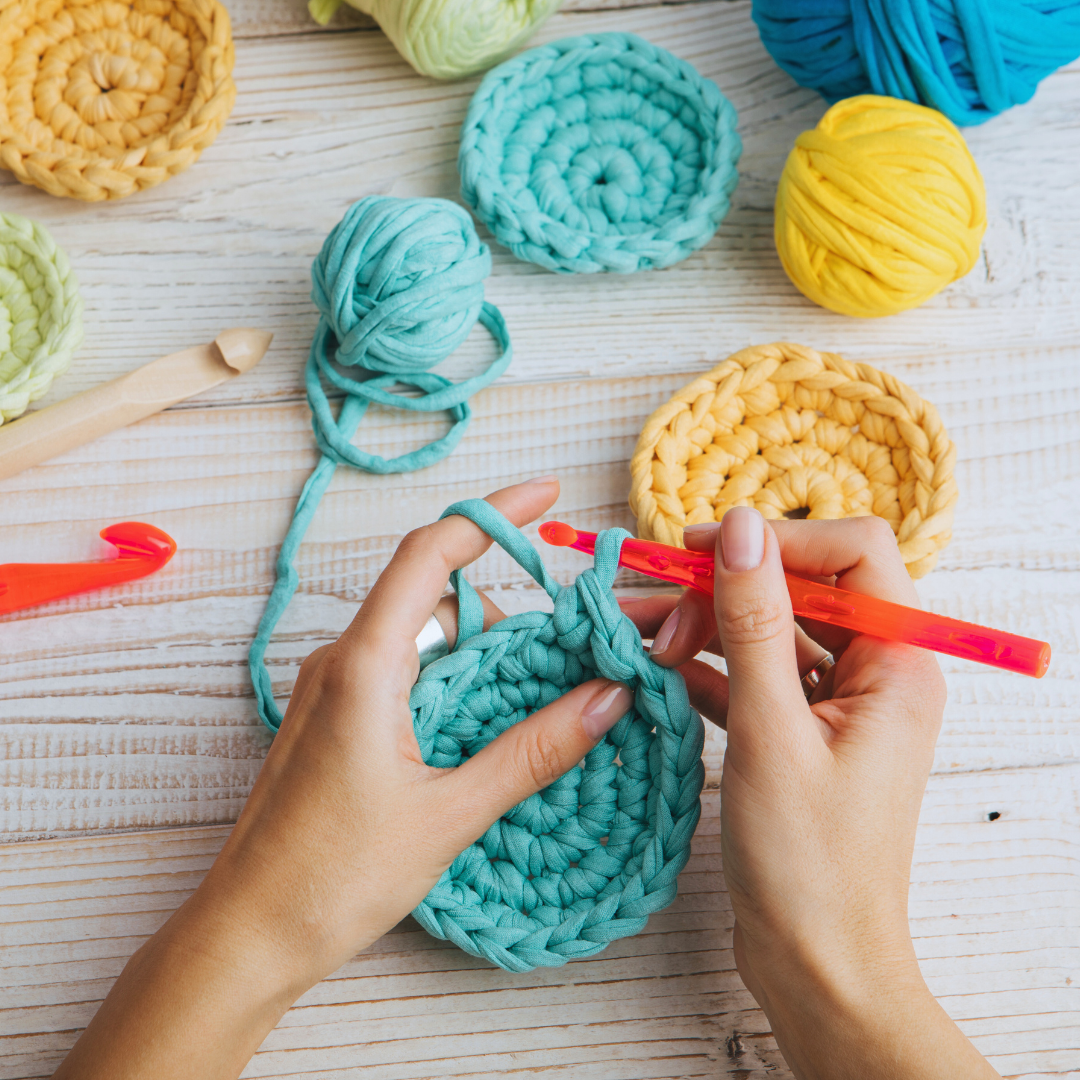
Crochet coasters are small, quick projects valuable for practicing shaping and finishing techniques. Circular or square coasters use foundational stitches plus increases or decreases to create neat edges.
Common materials include cotton yarn and a hook size that matches yarn thickness, typically a G/6 or H/8. Coasters help beginners understand stitch placement and gauge control in tight, compact work.
Patterns range from simple granny squares to round motifs with decorative borders. This variety makes coasters ideal for trying new stitch combinations without feeling overwhelmed.
Tips to Avoid Common Beginner Mistakes
Understanding how to control stitch size and spotting errors early are essential for a smooth crochet experience. Consistency and careful checking can save time and improve the final product.
Maintaining Even Tension
Consistent tension affects the look and feel of your crochet work. Hold the yarn comfortably but firmly; too tight makes stitches stiff, too loose creates uneven shapes. Practice by crocheting swatches and adjusting your grip.
Use your fingers to guide the yarn smoothly. Avoid pulling with your whole hand or squeezing the hook excessively. The goal is a gentle, steady flow of yarn.
If you notice rows are curling or the fabric is bunched up, your tension might be off. Relax your hands and take breaks to prevent tightness caused by fatigue. Using a tension guide or ring can help control yarn feed.
Recognizing and Fixing Errors
Check your work frequently after every few rows. Look for missed stitches, extra stitches, or uneven edges. Using stitch markers can help track stitch counts and pattern repeats.
Mistakes are easier to fix if caught early. To correct an error, pull the yarn back until you reach the mistake, then redo the stitches. Don’t hesitate to unravel several rows if needed; it prevents compounded errors.
Keep a crochet hook or smaller scissors handy for precise undoing. Note that certain patterns may require dropping stitches deliberately to unpick without cutting the yarn. Regular practice improves your ability to spot and fix mistakes quickly.
Finding Inspiration and Resources
Many beginners find motivation through accessible tutorials and support from others who share their interests. Exploring quality instructional content and connecting with experienced crafters can accelerate skill development.
Free Online Crochet Tutorials
There are numerous websites and YouTube channels dedicated to beginner crochet tutorials. For example, Moogly and AllFreeCrochet offer step-by-step videos and written guides that focus on basic stitches and simple projects. These resources often include downloadable patterns and helpful visuals.
The tutorials usually cover essential skills like making a slipknot, chain stitches, and single crochet, with clear explanations. Many platforms also provide tips on troubleshooting common beginner mistakes, which helps prevent frustration.
Utilizing free tutorials is a cost-effective way to learn at your own pace. Bookmarking trusted sites allows easy reference during practice.
Joining Crochet Communities
Engaging in crochet groups online or locally offers support and inspiration. Platforms such as Reddit’s r/crochet and Facebook groups provide spaces to ask questions, share progress, and access peer advice.
Many communities host challenges or share beginner-friendly patterns, helping novices stay motivated. Members often recommend materials and tools based on firsthand experience.
Local crochet clubs or classes can also be beneficial, providing hands-on guidance and social interaction. These groups are valuable for receiving personalized tips and feedback.
Active participation in crochet communities encourages consistent practice and learning from others’ experiences.