
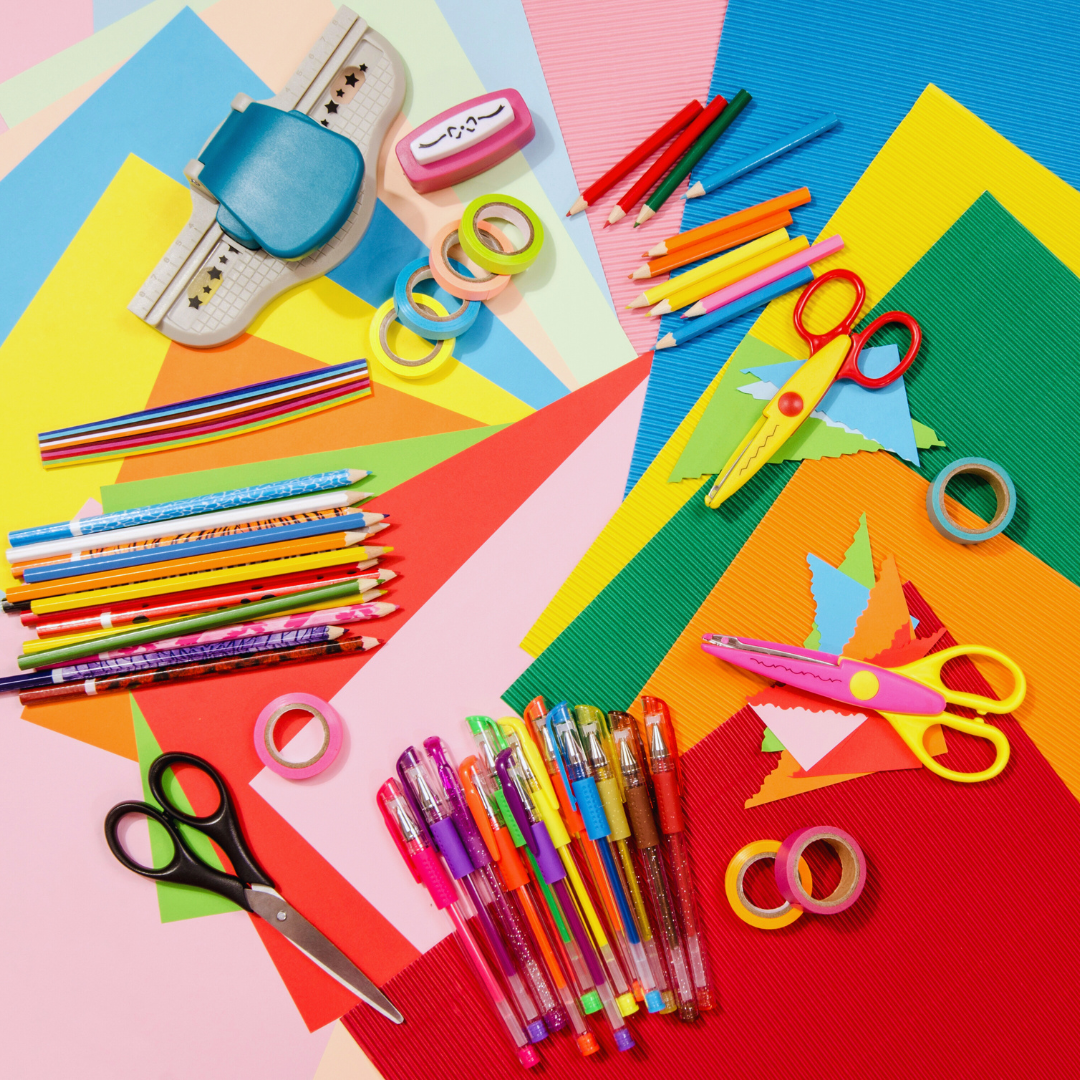
Organizing scrapbook supplies can make your creative process smoother and more enjoyable. The best practice is to categorize items by type and frequency of use, keeping essentials easily accessible while storing less-used materials efficiently. This reduces clutter and saves time searching for materials.
Using clear containers and labeling each section helps maintain order and visibility. Grouping similar items together, such as papers, stickers, and tools, creates a system that supports productivity.
A well-organized space encourages creativity by removing distractions caused by mess. When supplies are orderly, you can focus more on crafting rather than hunting for what you need.
Understanding Scrapbook Supply Organization
An effective scrapbook supply organization involves strategic storage and categorization. Knowing the types of supplies and recognizing common issues will improve workflow and space use. The workspace must enable easy access and maintain order to support creativity and efficiency.
Benefits of an Organized Workspace
An organized scrapbook workspace saves time by reducing the need to search for specific items. Clear storage allows quick identification of tools and materials, which helps maintain project momentum.
Physical order reduces clutter, preventing damage to delicate supplies like paper and adhesive. It also enhances focus by minimizing distractions caused by messiness.
Additionally, an efficient layout can improve ergonomics, making crafting sessions more comfortable and less fatiguing. This boosts productivity and encourages longer creative sessions.
Types of Scrapbook Supplies
Scrapbook supplies include paper, adhesives, embellishments, cutting tools, and stamps. Paper types vary widely, from cardstock to patterned sheets, each requiring different storage conditions to avoid warping.
Adhesives like glue sticks, tapes, and liquid glues need to be stored upright or in accessible containers to prevent drying out or spills. Embellishments such as stickers, buttons, and ribbons benefit from compartmentalized storage to keep them sorted by size and type.
Tools like scissors, punches, and rulers should be stored where they can be easily reached without creating clutter. Proper categorization ensures supplies are maintained in good condition and are easy to locate.
Common Organizational Challenges
Limited space often forces crafters to stack supplies, which can cause damage or make items hard to retrieve. Another challenge is inconsistent labeling, which leads to confusion and wasted time.
Mixing different types of supplies in one container results in tangled embellishments or lost small items. Also, frequent switching between projects without resetting the workspace can cause disorganization.
Dust and accidental glue spills pose risks to preserving supplies. Regular maintenance and a systematic approach help overcome these hurdles and keep the space functional.
Planning Your Scrapbook Supply Organization
Effective organization begins with understanding what you have, identifying how you plan to store it, and setting clear goals for your workspace. These steps ensure your system fits your collection and creative flow, reducing clutter and improving efficiency.
Assessing Your Supplies
Start by taking inventory of all your scrapbook materials. Group items into categories such as paper, adhesives, embellishments, tools, and photos. Note the quantities and sizes to determine storage requirements.
Check for duplicates or items you no longer use. This helps prioritize what to keep and avoid excess clutter. Understanding the volume and variety will guide your choice of storage containers and space layout.
Determining Your Storage Needs
Consider the types of storage solutions that best fit each category of supplies. For example, flat paper collections work well in shallow drawers or stackable trays, while small embellishments might need divided containers or jars.
Think about your available space and how often you access certain supplies. Items used frequently should be easy to reach, while seasonal or specialty materials can be stored further away.
Evaluate options like clear bins, labeled drawers, or portable caddies. The right balance between visibility and protection keeps your materials both organized and accessible.
Setting Organizational Goals
Define what you want to achieve with your system. Your goals might include maximizing space, reducing time spent searching for items, or creating a visually tidy workspace.
Prioritize functionality over aesthetics if you often work on detailed projects. Setting measurable goals, such as “reduce scrap time by 20%” or “fit all supplies in one cabinet,” helps track your progress.
Revisit and adjust these goals as your collection grows or your creative process changes to maintain an efficient setup.
Choosing the Right Storage Solutions
An efficient organization relies on selecting furniture and containers that fit the size and type of your scrapbook supplies. Portability and accessibility should also be considered to keep your workspace tidy and supplies easy to reach.
Selecting Storage Furniture
Choose furniture designed with multiple compartments or adjustable shelves to accommodate varying supply sizes. Look for sturdy units made of wood, metal, or durable plastic to support heavy materials like paper stacks and toolkits.
Open shelving allows quick access but can expose supplies to dust. Closed cabinets protect items but might limit visibility. Consider combination units, such as shelves with drawers, for balanced storage.
Measure your space carefully to ensure furniture fits without crowding. Stackable designs save floor space and help organize by supply type. Prioritize pieces that match your room’s layout and workflow.
Utilizing Storage Containers
Storage containers come in many shapes and materials, such as clear plastic bins, fabric cubes, and compartmentalized trays. Clear containers help quickly identify contents, while colorful options can designate categories intuitively.
Use small containers for beads, stickers, and embellishments. Larger bins store bulk paper and kits. Label each container prominently to avoid digging.
Consider containers that nest or stack securely to maximize vertical space. Some containers offer removable dividers, allowing customization according to your current needs. Water-resistant containers protect from spills.
Mobile and Portable Options
Portable storage carts and rolling bins add flexibility to your scrapbooking area. They allow you to move supplies easily between rooms or store them out of sight.
Choose models with lockable wheels for stability during use. Multiple-tier carts and trays provide organized layers. Handle size and weight capacity are important factors for portability.
Smaller portable cases with compartments suit craft tools and adhesives. Look for ergonomic handles to reduce strain. Portable options help maintain a clutter-free workspace while keeping essentials handy.
Sorting and Categorizing Supplies
Efficiently organizing scrapbook materials involves grouping items to enhance accessibility and workflow. Clear categories and placement help reduce clutter and speed up project assembly.
Sorting by Type
Begin by dividing supplies into primary categories such as papers, adhesives, embellishments, and tools. Each category should be stored separately to avoid mixing different materials. For example, keep all patterned and solid papers in one area, while stickers and stamps go into another.
Use containers or drawers labeled by type to maintain this system. This method allows for quick identification and retrieval of needed items. It also prevents damage; heavier tools won’t harm delicate papers if kept apart.
Color and Theme Organization
Within each type category, sort materials by color or theme to facilitate creative choices. For instance, arrange cardstock by color gradient from light to dark. Group embellishments by themes such as holidays, birthdays, or travel.
Clear storage bins or drawer dividers work well to maintain neat color or theme groupings. When selecting items for a project, matching or complementary colors and themes can be found easily, saving time and ensuring a cohesive design.
Prioritizing Frequently Used Items
Identify supplies that are used most often, like basic adhesives, scissors, and staple embellishments. Keep these items within arm’s reach or in easily accessible containers. This practice minimizes interruptions during the creative process.
Less frequently used or specialty items can be stored in less accessible spots. Rotate seasonal or occasion-specific supplies as needed, but always maintain quick access to daily essentials. Label containers clearly to avoid confusion.
Labeling and Inventory Systems
Keeping your scrapbook supplies organized requires clear identification and tracking methods. Using precise labels and reliable inventory tools streamlines the creative process and saves time when searching for materials. Consistent updates ensure your system stays functional and accurate.
Effective Labeling Techniques
Use labels that are easy to read and durable. Printed labels are preferable over handwritten ones for clarity and consistency. Choose label makers or printable adhesive sheets to create uniform tags for containers.
Color coding can enhance organization. For example, assign each supply category—such as paper, stickers, or tools—a specific color. This allows quick visual identification of materials.
Include key details on each label: supply type, brand, quantity, and usage notes if relevant. Labels placed on both the container and its lid reduce confusion when stacking or shelving.
Digital Inventory Tools
Digital tools help manage supplies efficiently. Apps like Sortly, Craftybase, or spreadsheets using Google Sheets can store detailed information on your inventory.
Track item quantities, purchase dates, and usage history. Include photos to easily recognize specific items when reviewing lists on your phone or computer.
Choose software that syncs across devices and supports reminders for restocking. Searchable tags and categories improve retrieval speed in large collections. Regular backups prevent data loss.
Maintaining Updated Records
Update your inventory regularly to avoid discrepancies. Record new supplies immediately after purchase to keep counts accurate and reflect your current stock.
Schedule monthly or quarterly reviews to remove expired or damaged items. Adjust counts after using materials in projects, especially small or consumable items.
Keeping a dedicated notebook or digital log for changes bridges the gap between updates. Consistency prevents overbuying and saves storage space by removing unused supplies.
Creating Efficient Workflow Zones
Setting up a workspace that supports smooth crafting improves productivity and reduces frustration. Key elements include clear work areas, easy access to tools, and a logical arrangement tailored to project steps.
Designing Dedicated Workspaces
Assign specific zones for different tasks such as cutting, assembling, and decorating. This reduces clutter by separating supplies based on their use, making transitions smoother.
Use a sturdy table or desk with ample surface area. Include adjustable lighting to reduce eye strain and improve accuracy. A comfortable chair with appropriate height prevents fatigue during long sessions.
Keep a small side table or cart nearby for overflow materials. Label each area clearly to maintain focus and organization. This strategy helps minimize distractions and keeps the workspace tidy.
Storing Tools within Reach
Tools used frequently should be within arm’s reach to avoid interrupting the workflow. Use pegboards for scissors, rulers, and punches, which also keep items visible.
Jars or small bins on the workstation hold adhesives, pens, and brushes. Consider magnetic strips for metal tools. Rolling carts with drawers provide mobility and quick access without cluttering the main area.
Organize items by frequency and function with labels for ease. Returning tools to their designated spots keeps the layout consistent and efficient.
Optimizing Layout for Projects
Arrange supplies in the order they are used during a project. Place cutting tools near the start of the workflow and embellishments closer to the end.
Maintain clear pathways on the table to move materials as you progress. Store paper stacks vertically to save space and keep them wrinkle-free.
Use modular storage solutions that can adjust as project needs change. Flexibility allows for quick reorganization without losing efficiency.
Maintenance and Upkeep Strategies
Maintaining an organized scrapbook supply area requires intentional routines and periodic checks. This helps prevent clutter build-up and ensures that materials remain accessible and in good condition. Practical methods include frequent decluttering, adjusting storage seasonally, and adopting habits that promote consistency.
Regular Decluttering Practices
Set a monthly or bi-monthly schedule to review your supplies. During this time, discard items that are dried out, damaged, or no longer useful. Group materials by type—stickers, papers, adhesives—to quickly spot duplicates or excess.
Create three piles: keep, donate, and toss. This keeps your space manageable and prevents hoarding. Use clear bins or labeled containers to make items easy to find and reduce the chance of needing to dig through disorganized groups again.
Review your current projects, removing supplies that won’t be used. This focused decluttering makes your workspace cleaner and your crafting time more efficient.
Seasonal Reorganization
Align your supply organization with major crafting seasons like holidays or birthdays. Rotate out materials you won’t need for several months and store them separately to free up space.
Reassess storage solutions to accommodate new acquisitions or changes in crafting trends. For example, switching from bulky boxes to stackable drawers can maximize shelf space during high-use periods.
Label containers clearly by season or project type. This practice speeds up the setup and teardown of your workspace around specific events.
Staying Motivated and Consistent
Set small, achievable goals for organizing to prevent feeling overwhelmed. For example, dedicate 10 minutes a day to tidying a specific section.
Use reminders or calendar alerts to keep your maintenance routines on track. This helps build habits without requiring long, uninterrupted time blocks.
Reward yourself after completing organizational tasks to reinforce the behavior. Maintaining motivation ties directly to how enjoyable and efficient your crafting sessions become.
Creative Display and Inspiration Areas
Organizing scrapbook supplies can be enhanced by creating dedicated spaces to showcase favorite items, gather inspiration, and adjust displays according to seasons or themes. These areas not only keep tools accessible but also spark creativity.
Showcasing Favorite Supplies
Display your most-used or visually appealing supplies in clear containers or open shelves. Use small jars or divided trays for embellishments like buttons, brads, and sequins.
Labeling containers helps quickly identify contents without opening them.
Arrange items by color or type to create an attractive, easy-to-navigate display. Include tools such as scissors, adhesives, and pens within arm’s reach. Consider using pegboards to hang scissors, ribbons, or washi tape for vertical space utilization.
Inspiration Boards
Set up a corkboard, magnetic board, or framed wire grid for pinning ideas, sketches, and color schemes. Use clothespins, pushpins, or clips to attach items like photos, patterned papers, and quotes.
Rotate elements frequently to keep the board fresh and aligned with current projects.
Keep a small shelf or basket nearby for magazines, swatches, and project notes. This encourages brainstorming and helps maintain focus on ongoing scrapbook themes.
Seasonal or Themed Displays
Designate a shelf or section for seasonal or themed decorations and supplies. For example, store holiday stickers, themed papers, and seasonal ribbons together.
Switch out these displays quarterly or per project to keep your craft space aligned with upcoming events.
Using labeled bins or clear boxes simplifies the transition between themes and seasons. This system enhances both organization and inspiration during specific projects.
Sustainable and Budget-Friendly Organization Ideas
Using items you already have, choosing eco-conscious materials, and keeping costs low are practical ways to organize scrapbook supplies. These methods reduce waste and save money without sacrificing order or accessibility.
Repurposing Everyday Items
Common household objects can serve as effective storage for scrapbook materials. Glass jars work well for buttons, beads, and small embellishments, offering both visibility and protection from dust.
Old cereal boxes or shoe boxes can be covered with decorative paper and used for paper scraps or stickers. Muffin tins organize small items like brads and clips in individual compartments, making them easy to find.
This approach extends the life of everyday items, reduces clutter, and helps avoid spending on specialty organizers.
Eco-Friendly Storage Options
Selecting storage made from sustainable or recycled materials supports environmentally conscious organizing. Bamboo storage boxes and trays are durable and biodegradable alternatives to plastic.
Fabric bins made from organic cotton or recycled fibers also provide flexible storage while minimizing plastic use. Look for clear containers made from recycled PET plastic to keep supplies visible and reduce environmental impact.
Using refillable and reusable containers avoids single-use plastic packaging commonly found with craft supplies.
Organizing on a Budget
Setting a budget for organizing scrapbook supplies is key to avoiding overspending. Prioritize purchases that can hold multiple types of items, like compartmentalized organizers or stackable drawers.
Shop at thrift stores or garage sales for inexpensive storage bins and containers. Bulk buying small items like adhesive tapes or embellishments can also be more cost-effective.
Labeling containers with inexpensive washi tape or printed labels makes it easier to maintain order without investing in costly labeling systems.
Conclusion
Organizing scrapbook supplies improves efficiency and enhances creativity. When materials are easy to find, projects flow more smoothly.
Consistency in sorting items by type and frequency of use saves time. Use clear labels and transparent containers for quick identification.
Regularly reassess your organization’s system. Dropping unused items or rearranging supplies keeps storage functional and clutter-free.
Consider these key practices:
- Group similar items together
- Use vertical storage to maximize space
- Label each container clearly
- Keep everyday tools within reach
A well-planned organization system reduces frustration and helps maintain focus on crafting.
Investing time in setup pays off with more enjoyable and productive scrapbook sessions.