
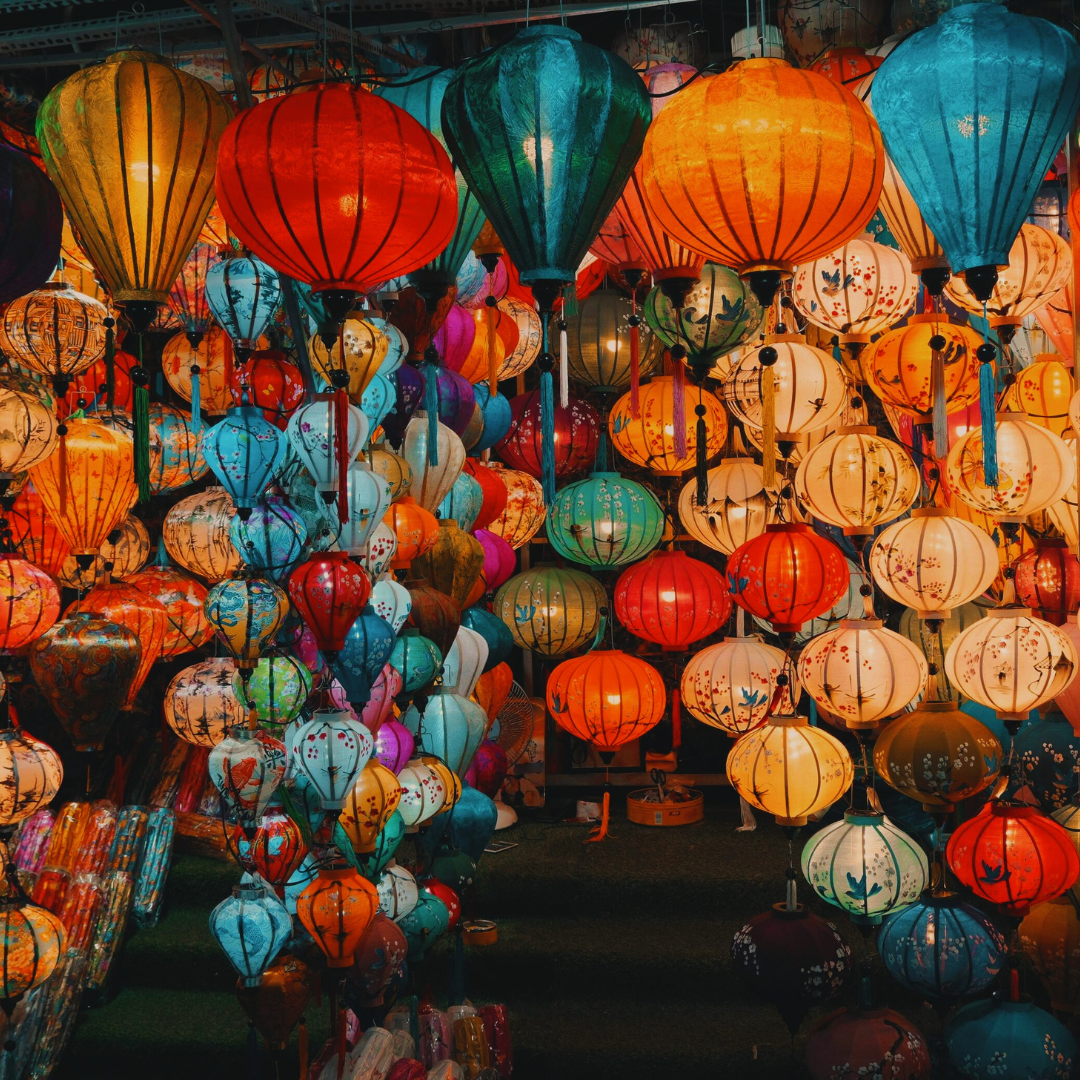
In an era where design is increasingly global and storytelling-driven, modern creators are reaching into the past to reimagine the future. One of the most exciting trends in both fashion and visual art is the revival of cultural motifs—traditional patterns, symbols, and visual languages—infused with contemporary aesthetics. This fusion not only brings cultural heritage into the spotlight but also pushes design innovation to new, meaningful heights.
Why Cultural Motifs Matter
Cultural motifs are more than decorative elements—they’re carriers of identity, belief systems, and lived histories. Whether it’s the geometric symmetry of Islamic tile work, the fluid organic shapes in Maori tattoos, or the vibrant textiles of West Africa, these patterns tell stories passed down through generations.
For many designers, incorporating these motifs is a way to honor heritage, reconnect with their roots, or spotlight underrepresented narratives. For others, it’s an act of respectful admiration and dialogue across cultures. But the key in today’s design landscape is how these elements are reimagined, not just replicated.
A New Visual Language: Tradition Meets Minimalism
One of the most common ways cultural motifs are blended with modern design is through minimalist adaptation. Designers strip back ornate patterns, isolate key elements, and reinterpret them with clean lines and neutral palettes.
Take, for example, Scandinavian-inspired brands that now incorporate indigenous Sámi patterns in soft greys and muted pastels. These motifs, traditionally bold and symbolic, are softened to fit the aesthetic of Nordic minimalism while retaining their cultural essence.
Similarly, many interior designers are using Indian block print patterns not in vibrant traditional colors, but in earthy tones or monochromes, making them more versatile for modern homes without losing their artisanal charm.
Fashion Forward: The Global Runway
In fashion, the blending of cultural motifs with contemporary silhouettes has become a defining feature of modern collections. Brands like Stella Jean, Sindiso Khumalo, and BODE are at the forefront of this movement, combining bold prints rooted in Haitian, South African, or Indian traditions with structured tailoring and modern cuts.
What makes these designs stand out is that they don’t just use motifs as surface decoration. Instead, they build entire narratives—often collaborating directly with local artisans to preserve authenticity and empower communities. This adds layers of value that go far beyond aesthetic appeal.
Digital Design and Typography
In graphic and digital design, cultural influence shows up in more subtle but equally powerful ways. Designers are creating typefaces inspired by traditional scripts, like Devanagari or Arabic calligraphy, adapted for modern use in websites and branding.
Likewise, UX designers are increasingly borrowing from indigenous color systems, spatial arrangements, and storytelling techniques. For instance, Aboriginal dot paintings are inspiring interactive storytelling visuals, while African textile geometry informs digital pattern libraries.
These reinterpretations create a hybrid design language that is visually engaging, culturally rich, and globally inclusive.
Challenges: Cultural Appreciation vs. Appropriation
While this blend is beautiful, it’s also ethically complex. Designers walk a fine line between appreciation and appropriation. Using cultural motifs without understanding their meaning, or profiting from traditions without involving or crediting the source communities, risks reducing heritage to trend.
The most respected designers in this space are those who collaborate with local artisans, credit sources clearly, and use their platforms to educate audiences about the stories behind the patterns. Many also reinvest a portion of profits back into the communities they work with, ensuring the designs remain connected to the people who inspired them.
A Platform for Dialogue and Preservation
Blending cultural motifs with modern aesthetics does more than create beautiful products—it also acts as a cultural preservation tool. In many cases, traditional crafts are fading due to globalization and industrialization. When designers integrate these elements into modern works, they reignite interest and value in the original forms.
In doing so, they’re not just making art or fashion—they’re keeping traditions alive in new ways. Young audiences who may have grown distant from their cultural roots are finding reconnection through wearable and livable art forms.
The Future is Fusion
The future of design is not about choosing between tradition and innovation—it’s about the fusion of both. As the world becomes more interconnected, the demand for meaningful, story-rich design grows. Cultural motifs offer the depth and symbolism that today’s audiences crave, while contemporary aesthetics provide the format and functionality to make them relevant.
From fashion runways to packaging design, from murals to mobile apps, the conversation between the past and the present is reshaping the visual world. And in that conversation, the designers who listen deeply, respect fully, and create boldly are leading the way.