
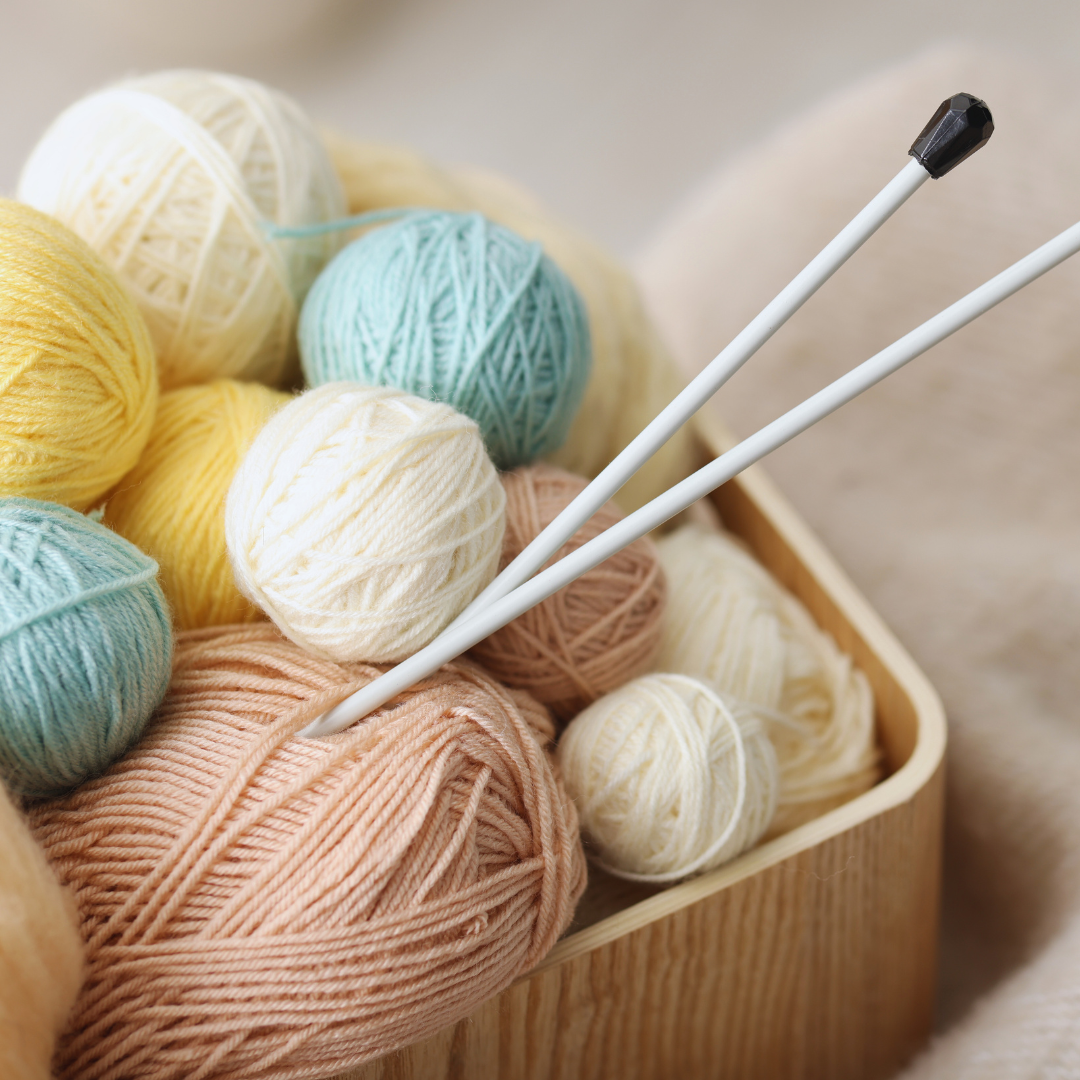
Choosing between wool and synthetic fibers for felting depends on your project goals and preferences. Wool offers natural texture and excellent felting qualities, while synthetic fibers provide vibrant colors and durability. Wool felting fibers tend to felt faster and create a more natural finish, whereas synthetic fibers are easier to care for and allow for a broader color range.
Understanding the differences in material characteristics can help you pick the right fiber for your needs. Wool’s natural scales interlock tightly, making it ideal for traditional wet felting and needle felting. Synthetic fibers, often made from acrylics or polyester, don’t felt as easily but can be mixed with wool for unique effects.
Whether you prioritize ease of use, color options, or texture, knowing what each fiber offers simplifies your decision. This comparison will break down the essentials to help you choose the best fiber for your felting projects.
Overview of Felting Fibers
Felting fibers vary in origin, structure, and behavior during the felting process. The choice of material directly affects texture, durability, and ease of felting. Different uses call for specific fiber properties that optimize the final product’s quality.
Definition and Types of Felting Fibers
Felting fibers are natural or synthetic materials that can bind together when exposed to heat, moisture, and agitation. Natural fibers like wool contain scales on their surface, which interlock during felting.
Common types include:
- Wool: From sheep, with varied softness depending on breed (e.g., Merino is fine, Shetland is coarser).
- Synthetic fibers: Usually polyester or acrylic, designed to mimic wool’s felting ability but with different performance qualities.
- Blends: Combining natural and synthetic fibers to balance characteristics like strength and texture.
Each type behaves differently under heat and pressure, impacting felting speed and final texture.
Role of Fiber Choice in Felting
The fiber’s surface texture and structure mostly determine felting efficiency. Wool scales create a natural hook effect, allowing pieces to interlock tightly. Finer wools felt faster but can be delicate, while coarser wools felt slower and add durability.
Synthetic fibers often resist felting because they lack scales. However, some synthetics are chemically treated or mixed with wool to encourage bonding.
Fiber length, crimp, and density also influence the felting process. Short, crimped fibers tend to mat better and create denser felt. Selecting fibers for intended use involves balancing ease of felting with the strength and appearance of the finished fabric.
Common Uses for Felting Materials
Wool is widely used for garments, insulation, and artistic felting due to its natural elasticity and warmth. Fine wools serve delicate projects like scarves and hats, while coarser wool suits rugs or outerwear.
Synthetic fibers feature in industrial felting where waterproofing or chemical resistance is necessary. They are also favored in products needing lightweight, non-allergenic properties.
Blends are popular in crafts, providing a balance between natural texture and synthetic durability. Felting projects range from wearable art to home décor, each requiring careful fiber selection to optimize appearance and function.
Understanding Wool Felting Fibers
Wool fibers originate from particular breeds of sheep and have unique microscopic structures that make them suitable for felting. Different types of wool offer various textures, felting speeds, and final fabric qualities. The benefits of wool include natural crimp, warmth retention, and excellent felting ability.
Characteristics and Origins of Wool
Wool fibers grow on sheep and are composed primarily of keratin protein. Each fiber features a scaly surface, which interlocks during felting to create a dense, durable fabric. The natural elasticity and crimp in wool allow air to be trapped, providing insulation.
Wool is primarily sourced from breeds such as Merino, Icelandic, and Corriedale, each offering distinct fiber thickness and softness. The quality of wool varies with the sheep’s diet, environment, and shearing time. Wool’s ability to absorb moisture without feeling wet adds to its comfort in textiles.
Types of Wool Used in Felting
Several wool types are favored for felting due to their fiber length, texture, and felting speed. Merino wool is highly prized for its fine fibers and softness, producing smooth felt. Romney and Corriedale offer medium coarseness and are good for more textured, robust felt.
Wool labeled as “carded” is combed to align fibers, making it easier to manipulate during felting. “Roving” wool is long and untwisted, facilitating quicker felting and smooth finishes. Understanding these variations helps crafters choose the right wool for their project’s firmness and appearance.
Benefits of Wool in Felting Projects
Wool’s natural scales and crimp enable strong interlocking, resulting in firmer, dense felt. This natural fiber provides excellent warmth and breathability, making it ideal for wearable and decorative items. Wool felts quickly under heat, moisture, and agitation, speeding up the crafting process.
Wool is biodegradable and renewable, aligning with sustainable crafting trends. Its ability to take dye well allows for vibrant, lasting colors. Additionally, wool offers resilience; felted wool maintains its shape and resists wear better than many synthetic options.
Exploring Synthetic Felting Fibers
Synthetic felting fibers come in various types, each with specific characteristics impacting felting techniques and finished products. Their properties differ notably from natural wool, offering distinct benefits and challenges.
Popular Synthetic Materials
The most common synthetic felting fibers include acrylic, nylon, and polyester. Acrylic is prized for its softness and vibrant colors, while nylon offers strength and elasticity. Polyester is durable and resistant to moisture, often blended with other fibers to enhance texture.
These fibers do not feel as natural as wool does, so they often require blending with wool or specialized needle felting techniques. Synthetic fibers maintain their shape better and resist shrinking, which appeals to crafters seeking longevity and structural integrity.
Advantages of Synthetic Felting Fibers
Synthetic fibers resist moths, mildew, and water damage, making them durable for various applications. They are usually less expensive than wool and come in a broader range of colors, including neon and metallic hues.
These fibers are ideal for allergy sufferers since they lack lanolin, a common wool allergen. Additionally, synthetics retain their color vibrancy over time and can be easier to clean, reducing concerns about felting damage during washing.
Limitations of Synthetic Options
Synthetic fibers lack the natural crimp and scales of wool that cause fibers to lock and felt tightly. This results in slower or weaker felting processes, often requiring a blend with wool for effective needle or wet felting.
They also tend to have a shinier, less matte finish, which may not suit all artistic preferences. Heat sensitivity is another drawback; synthetic fibers can melt or deform at lower temperatures than wool, limiting certain finishing techniques.
Performance Comparison: Wool vs Synthetic
Wool and synthetic felting fibers differ significantly in their texture, ease of felting, and durability. These factors influence the choice of fiber depending on the project’s needs and desired outcome. Understanding these distinctions helps in selecting the right material for specific applications.
Texture and Finish
Wool fibers naturally have scales on their surface, which contribute to a rougher, more tactile texture once felted. This structure gives wool a warmer and more organic finish. Wool can vary widely depending on breed, influencing fiber length and softness.
Synthetic fibers are made from smooth polymers, resulting in a more uniform texture. Felted synthetics often feel slicker and less warm. They can produce sharper lines and more controlled shapes, but lack the natural loft and depth of wool.
In table form:
| Feature | Wool | Synthetic |
| Surface Texture | Scaly, textured | Smooth, uniform |
| Feel After Felting | Warm, slightly coarse | Slick, more plastic-like |
| Fiber Variability | High (depending on breed) | Low (consistent production) |
Felting Ease and Technique
Wool felts naturally due to its microscopic scales, which lock together when agitated with heat, moisture, and pressure. It felt quick and efficient with both wet and needle felting methods. Beginners often find wool easier to work with because of its responsiveness.
Synthetic fibers lack these scales, so they do not felt through traditional wet or needle techniques on their own. Some synthetics may need to be blended with wool or chemically treated to enable felting. Needle felting synthetics can be slower and less effective unless designed to felt.
For those using needle felting, wool offers a more forgiving surface for shaping. Synthetics require more patience and skill to achieve solid, self-supporting forms.
Durability and Longevity
Wool fibers have natural strength but are susceptible to damage from abrasion, moths, and prolonged moisture. Over time, felted wool can pill or lose some firmness with heavy use. Proper care extends the life of wool felted products significantly.
Synthetic fibers typically resist wear better and are more resistant to environmental damage, such as mold or pests. They hold shape longer under stress and do not degrade as quickly when exposed to moisture.
| Aspect | Wool | Synthetic |
| Wear Resistance | Moderate, prone to pilling | High, maintains integrity |
| Environmental Impact | Biodegradable | Non-biodegradable |
| Maintenance | Requires careful washing | Easier to clean, less delicate |
Environmental Impact and Sustainability
The environmental effects of felting fibers depend heavily on their source and lifecycle. Factors like biodegradability, resource use, and manufacturing processes are crucial when assessing sustainability.
Eco-Friendly Qualities of Wool
Wool is a natural, renewable fiber that grows back annually on sheep. It is biodegradable, breaking down in soil and releasing nutrients, which minimizes landfill accumulation.
Sheep grazing can support grassland ecosystems when managed responsibly. However, wool production requires water for sheep and energy for cleaning and processing. Some practices use pesticides or chemicals on sheep, creating environmental risks.
Organic or certified wool ensures fewer chemicals and better animal welfare. Wool’s durability also reduces the need for frequent replacement, lowering long-term environmental costs.
Sustainability of Synthetic Fibers
Synthetic felting fibers are usually made from petroleum-based plastics, such as polyester or nylon. Their production involves fossil fuels, significant energy use, and greenhouse gas emissions.
These fibers are not biodegradable and can contribute to microplastic pollution in waterways. Recycling programs exist, but are not widespread or fully efficient for synthetic felting fibers.
On the positive side, synthetics allow for consistent quality and sometimes lower water use compared to wool. Innovations in recycled polyester aim to reduce environmental impact but still depend on plastic waste inputs.
| Aspect | Wool | Synthetic Fibers |
| Source | Renewable, natural | Non-renewable, petroleum-based |
| Biodegradability | Yes | No |
| Water Use | Moderate to high | Low to moderate |
| Pollution Risk | Pesticides, methane | Microplastics |
| Energy Use | Moderate | High |
| Recyclability | Limited | Growing but limited |
Cost and Accessibility
Costs vary significantly between wool and synthetic felting fibers, impacted by factors like production, sourcing, and market demand. Accessibility depends on both geographic location and supplier diversity, affecting how easily consumers can obtain these materials.
Price Differences
Wool fibers tend to be more expensive due to the costs involved in sheep farming, shearing, and processing. Prices often range from $20 to $50 per pound, depending on the quality and origin of the wool. Specialty wools, such as merino, command higher prices.
Synthetic fibers are generally cheaper, costing around $10 to $25 per pound. These prices remain stable since synthetics are mass-produced in factories using petroleum-based materials. However, some high-end synthetic blends may cost more, particularly those designed to mimic specific wool characteristics.
Availability in the Market
Wool felting fibers are widely available, especially in regions with established sheep farming industries like New Zealand, Australia, and parts of Europe. Local craft stores and online platforms often stock various wool types, but limited supply can occur outside these regions.
Synthetic fibers benefit from extensive production facilities worldwide. They are readily available in craft, fabric, and online stores, often in more consistent quantities. The synthetic options vary from basic acrylic to advanced polymers, offering diverse choices regardless of location.
Suitability for Different Felting Techniques
Choosing the right fiber affects how easily and effectively felting techniques succeed. Some fibers perform better with specific methods due to their texture, scale structure, and durability.
Needle Felting Fiber Preferences
Wool is the most common fiber for needle felting because its scales lock tightly when repeatedly poked with felting needles. Merino and Corriedale wool are preferred for their fine fibers and smooth felting, producing detailed shapes without harsh textures.
Synthetic fibers like nylon or polyester can be needle felted, but generally don’t feel as firm. They offer bright colors and durability, but may require more effort or layers to achieve firm structures.
Mixed blends combining wool and synthetic fibers provide balance—enhancing durability and offering a wider color range—while maintaining reasonable felting quality. Wool remains superior for precise sculpting and holding shape.
Wet Felting Fiber Choices
Wool excels in wet felting due to its natural scales and lanolin content, which help fibers interlock and bond firmly under agitation and moisture. Shearling and Romney wool are ideal because of their crimp and fiber length, allowing smooth, dense felting.
Most synthetic fibers do not felt well in wet felting since they lack the necessary scale structure. However, some are blended with wool to add colorfastness or texture variety without compromising felt integrity.
For strong, durable felt sheets, 100% wool or wool-heavy blends are recommended. Synthetic fibers alone generally produce loose, weak felts not suitable for functional pieces.
Care and Maintenance Considerations
Proper care techniques differ between wool and synthetic felting fibers. Understanding how each material reacts to cleaning and storage directly impacts durability and appearance.
Cleaning Recommendations
Wool felting fibers require gentle handling during cleaning to avoid felting or shrinking. Use cold water and mild detergent, preferably wool-specific or gentle soap. Avoid hot water and agitation, which can cause the fibers to mat or distort.
Synthetic fibers are generally more resistant to water temperature and agitation, but should still be cleaned with mild detergents. Machine washing is often possible on delicate cycles, but hand washing is safer for detailed projects. Avoid bleach or harsh chemicals that can degrade synthetic fibers.
After washing, lay wool pieces flat to air dry to maintain shape. Synthetics can dry faster,r but still benefit from flat drying to prevent warping. Avoid wringing either fiber type to reduce damage.
Longevity and Preservation
Wool fibers are prone to damage from pests like moths and prolonged exposure to sunlight, which can weaken fibers. Store wool felt in airtight containers with moth repellents, such as cedar blocks or lavender sachets.
Synthetic felt is less vulnerable to pests and UV damage, making it easier to store without special precautions. However, synthetic fibers can deteriorate with prolonged heat exposure, so avoid direct sunlight or hot storage environments.
Both fiber types benefit from clean, dry storage conditions to prevent mold and mildew growth. Proper storage and gentle handling extend the life of wool and synthetic felt projects significantly.
Choosing the Right Felting Fiber
Selecting the appropriate felting fiber depends on the specific demands of the project and the desired artistic effects. Factors such as texture, durability, ease of manipulation, and final appearance guide the choice between wool and synthetic fibers.
Project-Specific Recommendations
For detailed needle felting or sculptural work, wool fibers are often preferred due to their natural crimp, which helps the fibers interlock tightly. Fine wool types like merino are ideal for delicate shapes and smooth finishes.
Synthetic fibers work well in projects requiring bright, consistent colors or where water-based wet felting is not feasible. They also hold their shape better in non-felted sections, making them good for mixed-media crafts.
If longevity and strength are priorities, wool blends or superwash wools can withstand handling and washing better than many synthetics. For beginners, synthetic fibers provide a forgiving, consistent texture that is easier to control, though they may lack some of wool’s felting power.
Personal Preferences and Artistic Goals
Artisans aiming for natural, earthy effects typically choose wool due to its range of natural tones and tactile warmth. The tactile response of wool lets artists achieve complex textures and layered depth.
Those focused on vibrant color palettes or who pursue hypoallergenic options might prefer synthetic fibers. Synthetics offer uniformity in fiber length and colorfastness, which can be essential for stylized or graphic art styles.
Ultimately, the choice hinges on how an artist values factors like smell, ease of felting, fiber breathability, and environmental impact. Some artists blend fibers to balance natural feel with practical benefits.