
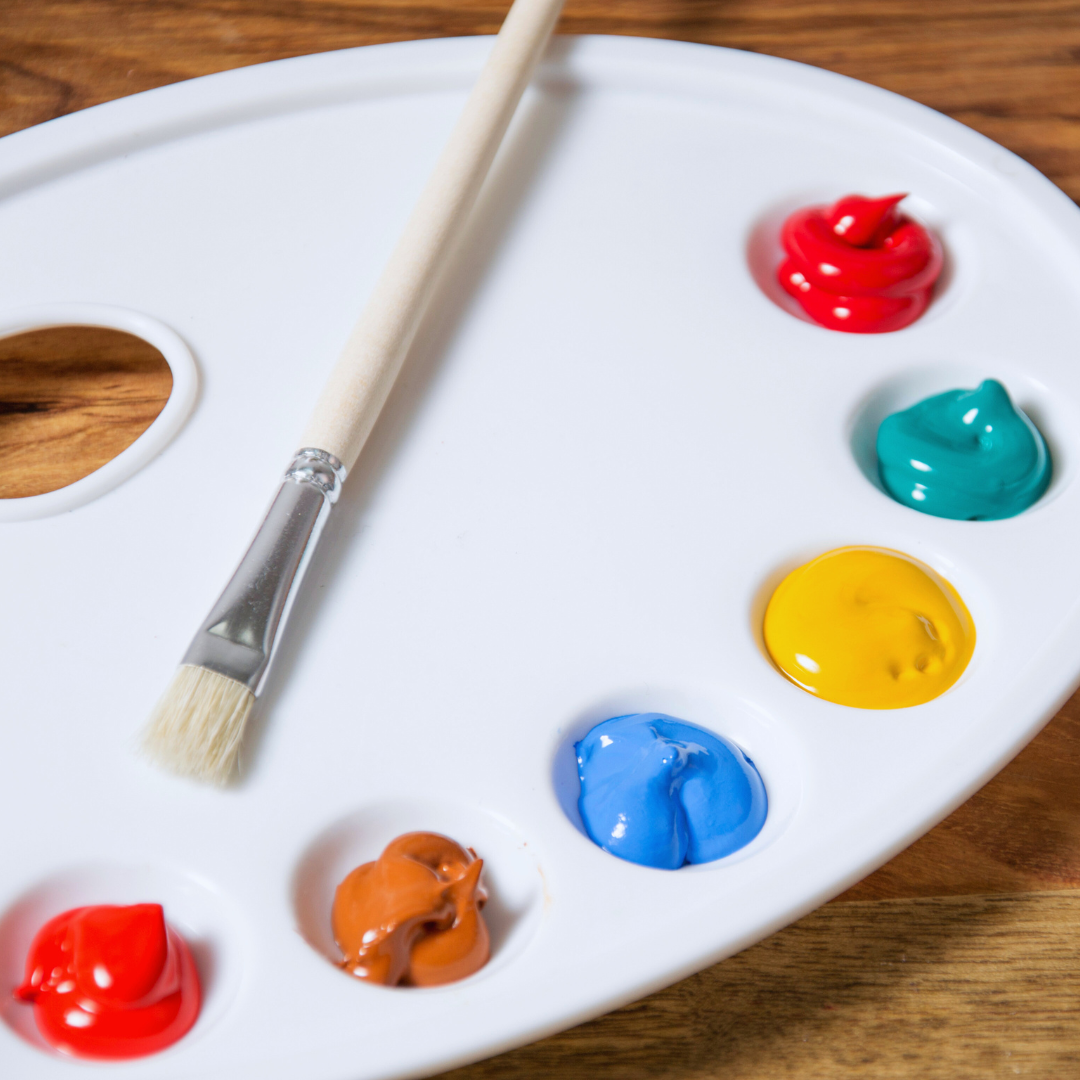
Finding quality acrylic painting supplies on a budget can be challenging, but it’s possible to get the essential tools without overspending. The best budget-friendly acrylic painting supplies include student-grade acrylic paints, versatile brushes with synthetic bristles, and affordable canvases or paper suited for acrylics.
Knowing which brands and types of supplies maintain decent quality while keeping costs low helps avoid frustration and wasted money. This guide will help you identify reliable, cost-effective options that meet your painting needs without compromising results.
Whether you’re a beginner or looking to expand your collection wisely, focusing on these key affordable materials sets a solid foundation for your acrylic painting projects.
Choosing Affordable Acrylic Paints
Selecting acrylic paints that balance cost and performance is essential for budget-conscious artists. Knowing which brands offer consistent quality, how to assess paint properties, and the pros and cons of buying sets versus individual tubes can help make better choices.
Top Budget Acrylic Paint Brands
Several brands are recognized for offering reliable acrylic paints at affordable prices. Liquitex Basics is popular for its smooth consistency and vibrant colors, suitable for beginners and hobbyists. Arteza provides a wide color range and decent pigmentation at a lower price point.
Winton by Winsor &Newton and Royal & Langnickel are also good options that combine acceptable quality with affordability. These brands offer user-friendly acrylics that dry quickly and maintain good coverage, allowing artists to experiment without a financial burden.
When shopping, look for brands that list pigment information and have positive user reviews about color strength and durability. This information helps avoid paints that may fade or peel prematurely.
Evaluating Paint Quality on a Budget
Quality in acrylic paints often depends on pigment concentration and filler content. Higher pigment load means better coverage and color intensity, but budget paints may contain more fillers. Test paints by applying a thin layer on paper to check opacity and vibrancy.
Consider lightfastness ratings for durability. Even budget paints can offer acceptable resistance to fading if labeled appropriately. Avoid paints with overly watery consistency or artificial fillers that affect drying and mixing.
Acrylic paint viscosity affects how it handles on canvas. Low-cost paints may be thinner or less creamy, but some brands improve their formulas to balance price and performance. Testing a few tubes before committing to large quantities is advisable.
Buying Paint in Sets vs. Individual Tubes
Buying acrylic paints in sets is usually more cost-effective, especially for beginners needing multiple colors. Sets often include primary colors and a few secondary shades, allowing for basic color mixing.
However, some sets contain colors you might rarely use or low-quality pigments. Individual tubes provide flexibility to build a personalized palette, focusing on colors you use frequently or prefer.
For artists on a very tight budget, starting with a basic set and gradually purchasing individual tubes to expand your palette is a practical approach. Compare the price per ounce to decide which option offers better value based on your painting needs.
Essential Brushes for Budget Painters
Choosing the right brushes can save money and improve acrylic painting results. Key factors include brush type, material, versatility, and proper maintenance to extend their use.
Best Value Brush Types and Materials
Synthetic brushes are the best budget-friendly option for acrylic painting. Nylon and polyester blends hold acrylics well and maintain shape better than cheap natural hair brushes.
Flat and round brushes are the most versatile and affordable. Flats cover larger areas, while rounds are useful for detail work and lines. Sizes 6, 8, and 12 provide a practical range for beginners.
Avoid expensive sable or pure natural hair brushes initially. They wear quickly with acrylics and cost more. Look for brushes labeled “acrylic” or “all media” for durability without breaking the bank.
How to Select Multipurpose Brushes
Multipurpose brushes save money and space. Choose brushes that work for both broad strokes and detail to avoid buying many specialized types.
A medium flat brush (size 8 or 10) paired with a small round brush (size 2 or 4) covers most techniques. Look for firm bristles that spring back easily after use.
Test the brush tip for resilience; brushes that splay or lose shape quickly should be avoided. Brands like Princeton and Royal & Langnickel offer affordable sets with multi-use brushes suitable for beginners and hobbyists.
Caring for Brushes to Extend Lifespan
Rinse brushes immediately after use with warm water to prevent acrylic paint from drying in the bristles. Use mild soap or brush cleaner for thorough cleaning.
Avoid soaking brushes for long periods or scrubbing aggressively, as this damages bristles and loosens the ferrule (metal part). After washing, reshape bristles gently.
Store brushes horizontally or bristle-up once dry. Proper care can keep budget brushes usable for months or even years, reducing the need for frequent replacements.
Budget-Friendly Painting Surfaces
Choosing the right painting surface is crucial for budget-conscious acrylic artists. Options range from affordable canvas choices to alternative materials that still provide quality results. Preparation methods also contribute to cost-efficiency without sacrificing the painting experience.
Inexpensive Canvas Options
Stapled canvas panels are among the most cost-effective choices for acrylic painting. They come pre-primed and ready to use, making them ideal for beginners or practice work. Sizes vary, but smaller panels are generally cheaper and easier to store.
Another option is buying canvas rolls in bulk. While the initial purchase is larger, the per-square-inch cost decreases significantly. You can cut and stretch the canvas on your own frames, reducing the price of individual canvases. Look for pre-primed or unprimed options depending on your preference for additional control.
Cotton duck canvas offers affordability and durability, making it a common choice. Synthetic canvases like polyester are sometimes cheaper but vary in texture and paint absorption.
Alternatives to Canvas for Acrylic Painting
Heavyweight watercolor paper is a viable substitute for canvas. It handles acrylic paints well due to its thickness and absorbency. Cold-pressed or hot-pressed varieties provide different textures for varied effects. You can buy pads or individual sheets at low prices.
Wood panels such as MDF or plywood offer a durable, reusable surface. They require sealing and priming, but provide a solid foundation with less stretch or flexing compared to canvas. Plywood sheets are often available inexpensively at home improvement stores.
Other options include acrylic-friendly papers like mixed-media paper or canvas boards made from cardboard, which can be significantly cheaper but less durable for long-term work.
Preparing Surfaces Economically
Priming is essential when using raw surfaces like unprimed canvas, wood, or paper. Gesso is the standard primer, and buying it in larger containers reduces cost per use. You can apply multiple thin coats for the best results.
If sealed wood is unavailable, use sandpaper to roughen smooth plywood edges before priming. For paper surfaces, applying a layer of gesso prevents warping and provides better paint adhesion.
Alternative primers like white acrylic house paint mixed with glue can work, but may alter texture or longevity. Proper surface preparation prevents wasted materials and improves the final painting quality.
Must-Have Acrylic Painting Tools on a Budget
Selecting essential tools that offer durability and functionality without high costs is vital for budget-conscious artists. Focus on versatile palettes, sturdy yet inexpensive palette knives, and reusable cleaning supplies to maximize value and efficiency.
Affordable Palettes
Plastic palettes are a cost-effective choice and widely available in various sizes. Look for palettes with multiple wells to separate colors and a smooth surface that’s easy to clean.
Disposable paper palettes provide convenience and reduce cleanup time. They come in pads and are great for short sessions or travel, but aren’t reusable.
Glass palettes are an investment upfront, but can be economical long-term. They don’t stain and allow easy mixing with minimal paint waste, ideal for painters planning frequent use.
Cost-Effective Palette Knives
Economy palette knives often come in multipacks, offering several shapes and sizes for different painting techniques. Stainless steel blades with plastic handles balance cost and durability.
Avoid extremely thin or flexible knives, as they may bend easily under pressure or break. A medium stiffness blade is best for mixing paint and applying texture.
Look for knives without wooden handles, since they can deteriorate with repeated washing. Plastic handles dry faster and resist water damage, extending the tool’s life.
Reusable Mixing and Cleaning Supplies
Silicone mixing mats are affordable and non-porous, allowing easy paint removal and reuse. Their flexibility lets you scrape leftover paint back into tubes or containers.
Brush cleaners with gentle, non-toxic formulas preserve bristle quality without harsh chemicals. Reusable brush holders prevent damage by keeping bristles supported between uses.
Microfiber cloths or soft rags are budget-friendly options for wiping brushes and palettes. They can be washed and reused multiple times, reducing ongoing supply costs.
Finding Deals and Saving Money on Supplies
Smart shopping and choosing the right materials can stretch your budget without compromising quality. Focus on timing your purchases and selecting products designed for affordability.
Shopping Tips for Art Discounts
Look for sales during holidays or clearance events at major retailers and online stores. Signing up for newsletters from art supply companies often grants access to exclusive coupons and early promotions.
Buying in bulk can reduce the cost per item, especially for frequently used paints or brushes. Use price comparison tools and check user reviews to avoid low-quality products that don’t last.
Discounted sets or starter kits often contain good-quality paints and brushes at a reduced price. Consider local art supply exchanges or thrift stores for gently used materials. Always compare prices between physical stores and online to maximize savings.
Using Student-Grade Materials Effectively
Student-grade acrylics offer a balance between cost and quality suitable for beginners and hobbyists. These paints have less pigment concentration but still provide sufficient coverage and color variety for practice.
Pair student-grade paints with affordable brushes designed for acrylics to optimize performance. Experiment with layering and mixing to enhance color intensity without needing premium paints.
Use primed, budget canvases or canvas boards, which perform well with student paints. Proper storage of paints and brushes prevents waste, helping maintain your supplies longer.
Additional Budget Acrylic Painting Tips
Buying smaller paint tubes is often more cost-effective, especially if experimenting with new colors. You can mix colors to create a broader palette without purchasing many individual tubes.
Use household items as painting tools. Old brushes, sponges, or even credit cards can create unique textures and effects without extra expense.
Buy canvas panels or canvas pads instead of stretched canvases. They are less expensive and still offer a good surface for acrylics.
Consider purchasing paint sets rather than individual colors. Sets provide a balanced selection of shades at a lower price per tube than buying colors separately.
Tips to save on supplies:
| Item | Budget Alternative | Reason |
| Brushes | Synthetic brushes | More affordable and durable |
| Mediums | Water or basic gel mediums | Less costly than specialty gels |
| Palette | Disposable paper palettes | Eliminates cleanup and reuse |
| Easel | DIY options or tabletop easels | Cheaper and space-saving |
Always clean brushes immediately after use to extend their life. Proper care reduces the need to replace tools frequently.
Reusing and recycling materials like containers and palettes can also cut costs. Planning painting sessions wisely helps avoid wasting expensive paint.